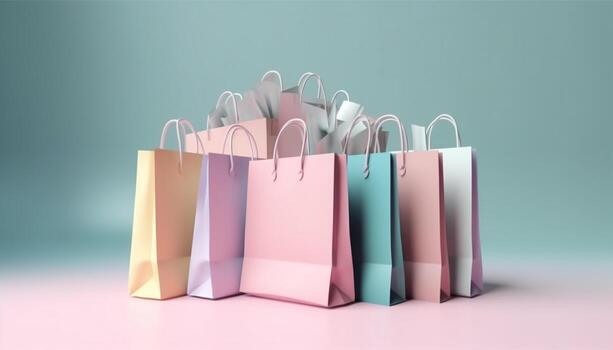
Choosing a paper bag is not only about size and logo placement. The handle style, paper strength, finish and use case all affect how the customer experiences the brand. A D-cut bag, glued handle bag, twisted handle bag and luxury paper bag can all carry products, but they create very different impressions.
Start with product weight and handover style
A bag should be chosen around what it will carry and how the customer will receive it. A lightweight promotional item does not need the same construction as a premium apparel purchase or jewellery gift. If the bag feels weak in the hand, the brand feels less reliable.
Before selecting a bag type, note the product size, weight, quantity and handover setting. Retail counters, exhibitions, boutique stores, gifting sets and festive sales each need a slightly different balance of cost, strength and presentation.
- Use product weight to decide paper strength and handle type.
- Choose simpler bags for light counter items and promotions.
- Choose stronger or premium bags for apparel, gifts and jewellery.
- Check product size against width, height and gusset before printing.
Use D-cut bags for simple and efficient carry packaging
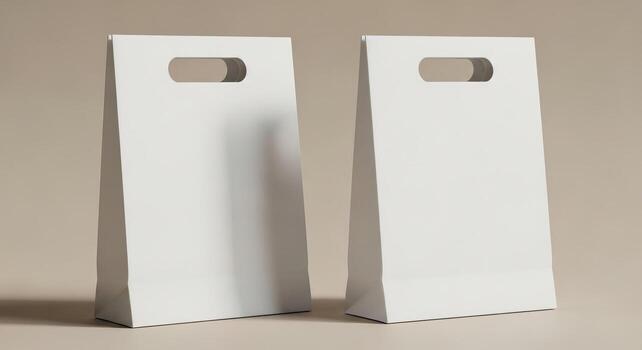
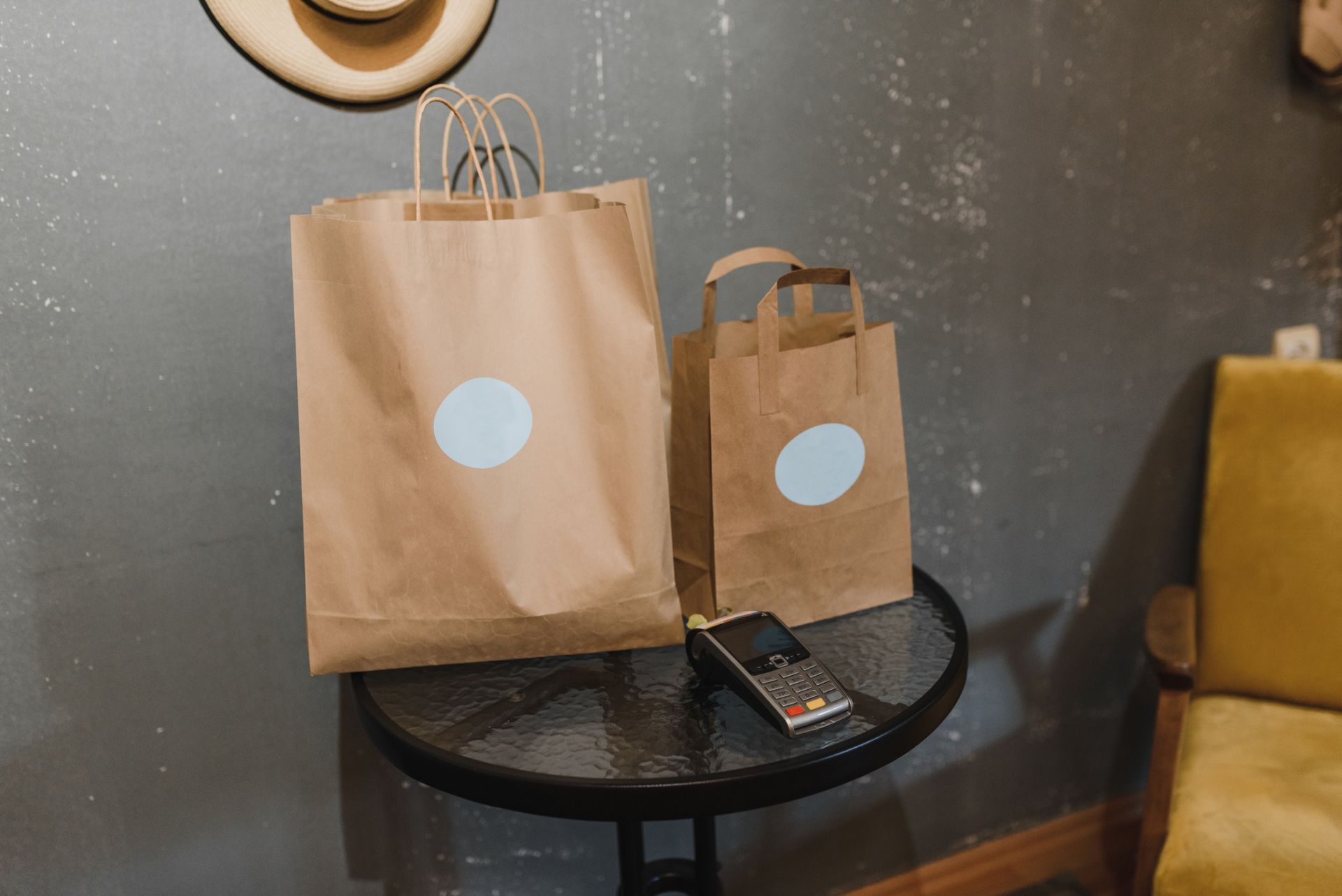
D-cut bags are clean, practical and cost-conscious. The handle is cut into the bag itself, which keeps the format simple. They are useful for lightweight products, counters, events and promotional handouts where the focus is easy carrying and visible branding.
Because the handle is integrated, D-cut bags should not be overloaded. They work best when the product is light and the artwork is simple. A clean logo, limited colour and neat size can make them look professional without making the specification heavy.
- Best for lightweight products, events and counter handovers.
- Good when the budget needs to stay controlled.
- Works well with simple logo printing and clean colour.
- Avoid using D-cut bags for heavy or sharp-edged products.
Use glued handle bags for stronger retail use
Glued handle bags offer a stronger carry feel than simple cut-handle formats. They suit apparel, gifting, boutique products and retail purchases where the customer may carry the bag for longer. The handle area can feel more finished and reliable.
These bags are useful when the brand wants a practical retail bag that still feels polished. They can support good print coverage, lamination and stronger paper choices without moving into a full luxury specification.
- Best for apparel, retail products and gift handovers.
- Offers a stronger and cleaner carry experience.
- Works well with matte, gloss or textured finishes.
- Good for brands that need durability without full luxury detailing.
Use twisted handle bags for a familiar premium retail look
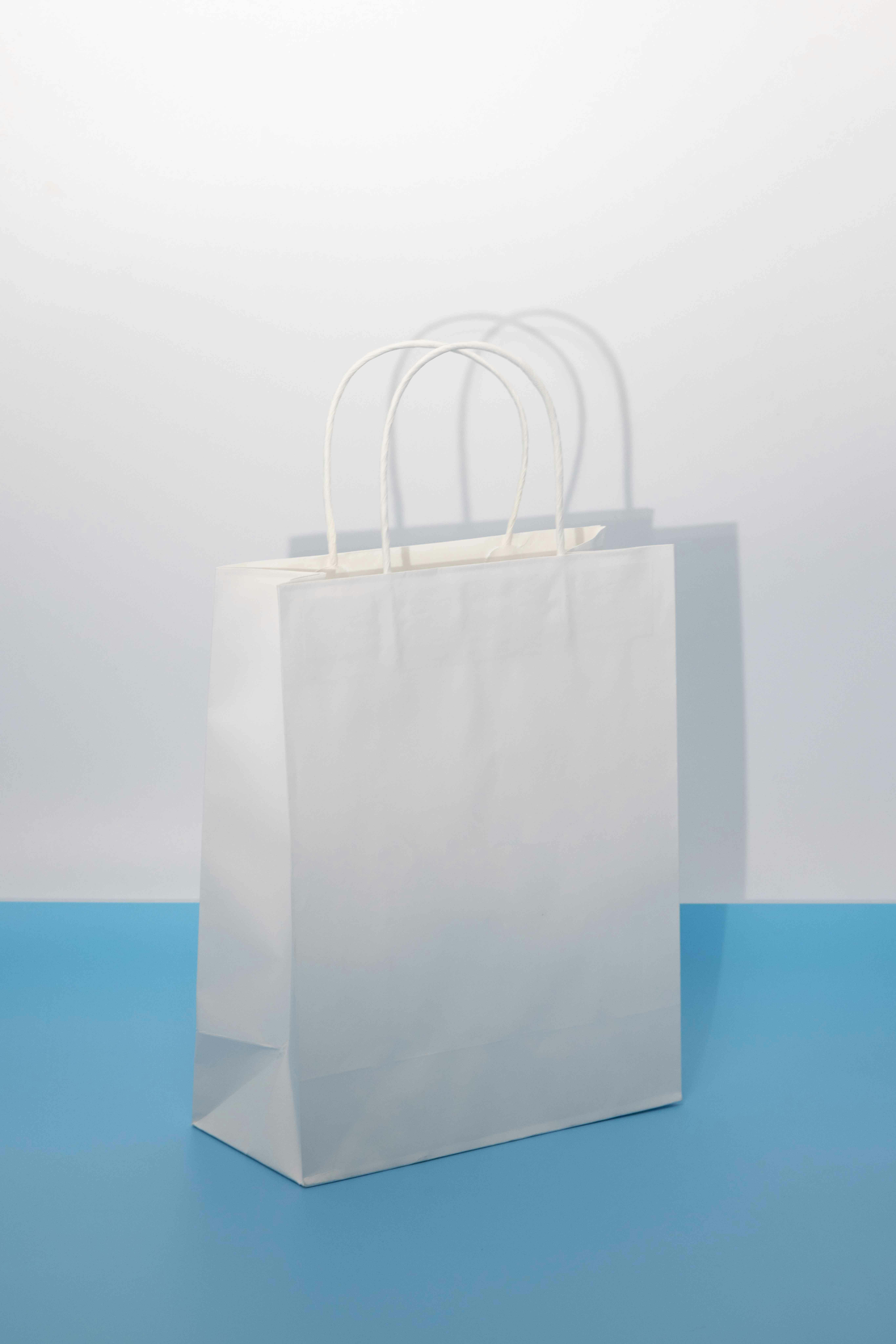
Twisted handle bags are widely used in premium retail because they look structured and feel comfortable to carry. The twisted paper handle gives the bag a finished appearance without making it too decorative. This makes the format useful for boutiques, gifting, stores and lifestyle products.
They work especially well when the artwork has a clean front logo, controlled colour and good paper stock. The bag can feel premium even when the design is simple because the handle and shape already create a retail-ready impression.
- Best for boutiques, lifestyle retail and premium gifting.
- Creates a polished carry experience without heavy decoration.
- Works well with turn-top construction and better paper stock.
- Good for repeat retail orders where consistency matters.
Use luxury paper bags when the bag is part of the value
Luxury paper bags are chosen when the bag itself should feel like part of the purchase. Jewellery, fashion, festive gifting, premium cosmetics and corporate gifts often need stronger paper, refined handles and selective finishing.
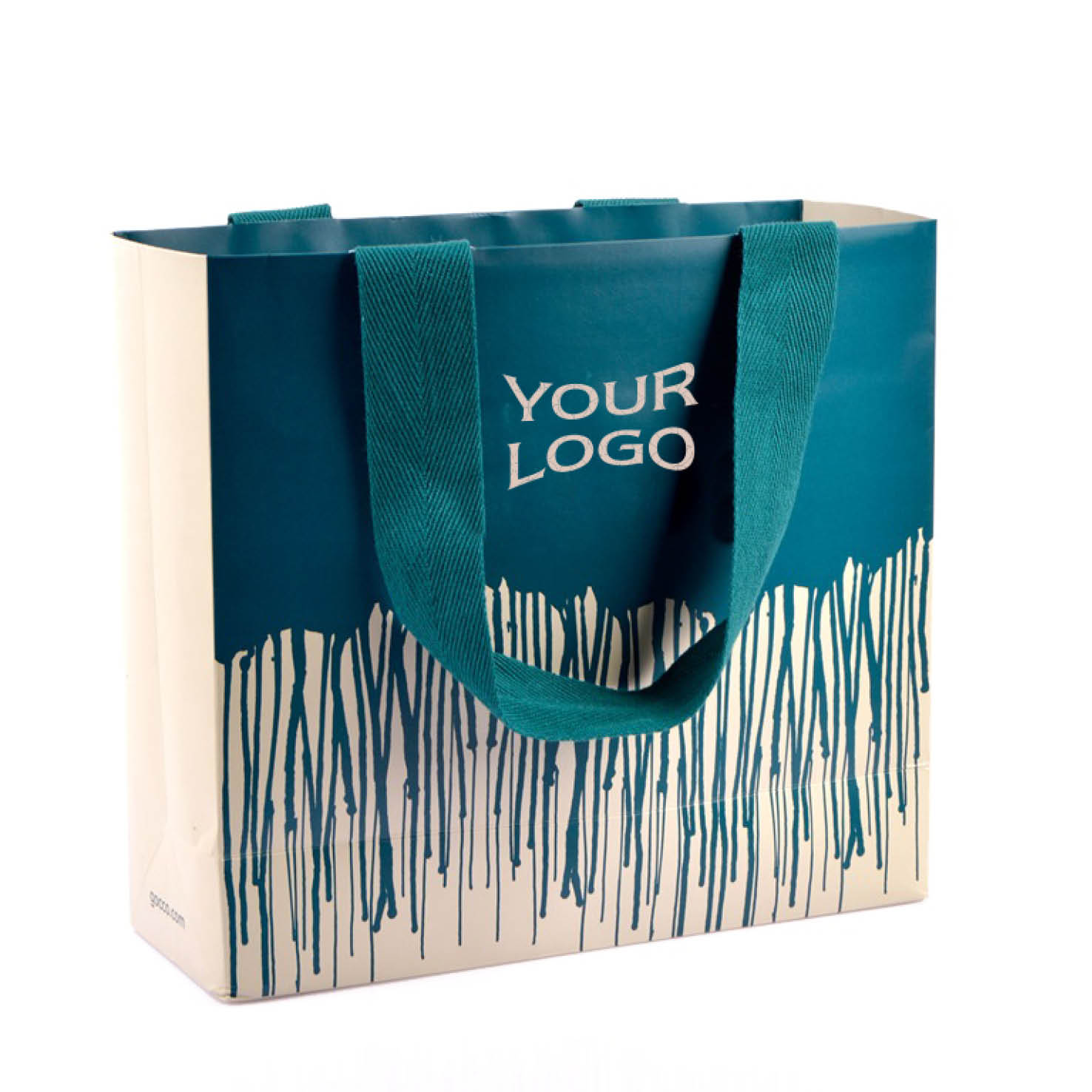
A luxury bag may include rope handles, ribbon handles, heavier stock, foil, embossing, special paper or inside printing. These details should be used with restraint. The most premium bags usually have one or two strong details executed cleanly.
- Best for jewellery, fashion, premium gifting and luxury retail.
- Use heavier paper when the bag should feel substantial.
- Use foil, embossing or ribbon handles selectively.
- Match the bag finish with boxes, tags and stickers in the set.
Choose the bag as part of the full packaging set
The bag should not be planned separately from boxes, tags, labels and stickers. A luxury box inside a weak bag creates a mismatch. A premium tag with a very basic bag can also feel unfinished. The strongest packaging sets keep bag, box, label and tag quality aligned.
Share the product type, expected weight, quantity, artwork status, finish preference and timeline before asking for a quote. The printer can then suggest the bag type that supports both budget and brand presentation.
- Match bag quality with the product and other packaging pieces.
- Share product weight and dimensions before choosing the format.
- Decide whether the bag should feel simple, premium or luxury.
- Keep approved bag size and artwork ready for repeat orders.
Common questions
Which paper bag is best for retail products?
Glued handle bags and twisted handle bags are strong choices for retail because they balance strength, comfort and presentation.
Are D-cut bags suitable for heavy products?
D-cut bags are better for lightweight products and promotional use. Heavier items usually need stronger handle construction.
What makes a paper bag look premium?
Good paper stock, clean logo placement, controlled colour, comfortable handles and selective finishing such as foil or embossing can make a paper bag feel premium.