Paper bags do more than carry a product. For a retail brand, boutique, gifting company or exhibition handover, the bag often becomes the first printed touchpoint a customer sees after purchase. The right finish should balance strength, print clarity, hand feel and budget.
Start with the use case before choosing a finish
A paper bag should be planned from the use case first. A boutique apparel bag, an exhibition handover bag and a luxury gifting bag may look similar in photos, but they need different paper strength, handle construction and finishing. When the use case is clear, the print specification becomes easier to control.
For regular retail counters, the focus is usually clean logo visibility, comfortable carrying and repeatable production. For gifting and premium handovers, the bag may need heavier stock, stronger handles and a more refined surface finish. For event use, speed, consistency and practical cost often matter more than decorative effects.
- Retail counters and boutiques usually need clean colour, strong handles and good hand feel.
- Events and exhibitions usually need practical carrying strength, quick production and repeatable branding.
- Luxury gifting usually benefits from heavier paper, foil detail, embossing, rope handles or ribbon handles.
Match paper stock with artwork and print coverage
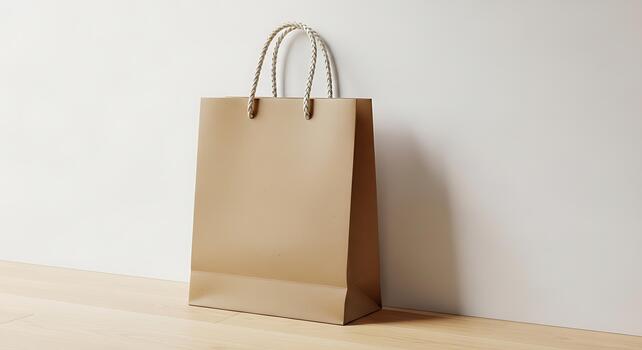
Paper stock changes the final result more than many buyers expect. Kraft paper creates a natural, earthy look, but brand colours can appear warmer and less exact. Coated art paper gives sharper edges and cleaner colour output, which is useful when the artwork has fine lines, gradients or a strict brand palette.
Large solid backgrounds also need careful planning. Dense ink coverage can show variation if the paper is not suited to the artwork. A good specification balances GSM, paper texture, print area and lamination so the bag feels strong without making the project unnecessarily expensive.
- Use kraft paper when a natural, organic or understated look is preferred.
- Use coated art paper when colour accuracy and clean artwork edges matter.
- Use higher GSM when the bag needs to carry heavier products or create a more premium feel.
- Avoid finalising artwork before confirming bag size, gusset and handle position.
Choose lamination and surface finish with restraint
The finish should support the brand personality instead of overpowering it. Matte lamination gives a calm, premium surface and works well for fashion, jewellery and gifting. Gloss lamination makes colours brighter and more reflective, which can suit promotional bags or festive prints. Textured paper can feel more premium, but it should be checked against the artwork because very fine details may not reproduce the same way on every texture.
Foil, embossing and spot UV work best when used selectively. A small foil logo or embossed monogram can make the bag feel more expensive, while too many effects can make the design look busy. The cleanest premium bags usually have one strong finish idea executed well.
- Matte finish: premium, soft and controlled.
- Gloss finish: bright, reflective and promotional.
- Textured paper: tactile and premium when artwork is simple.
- Foil or embossing: best for logos, monograms and gifting details.
Handle style affects both look and strength
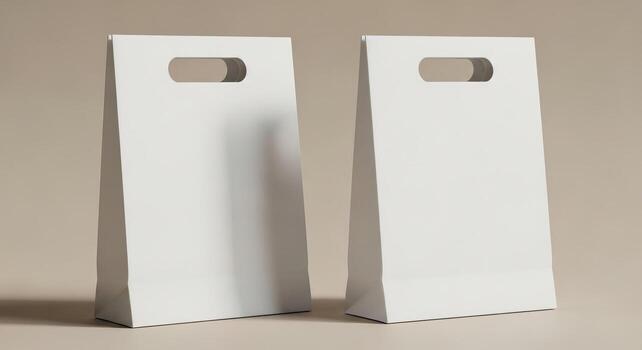
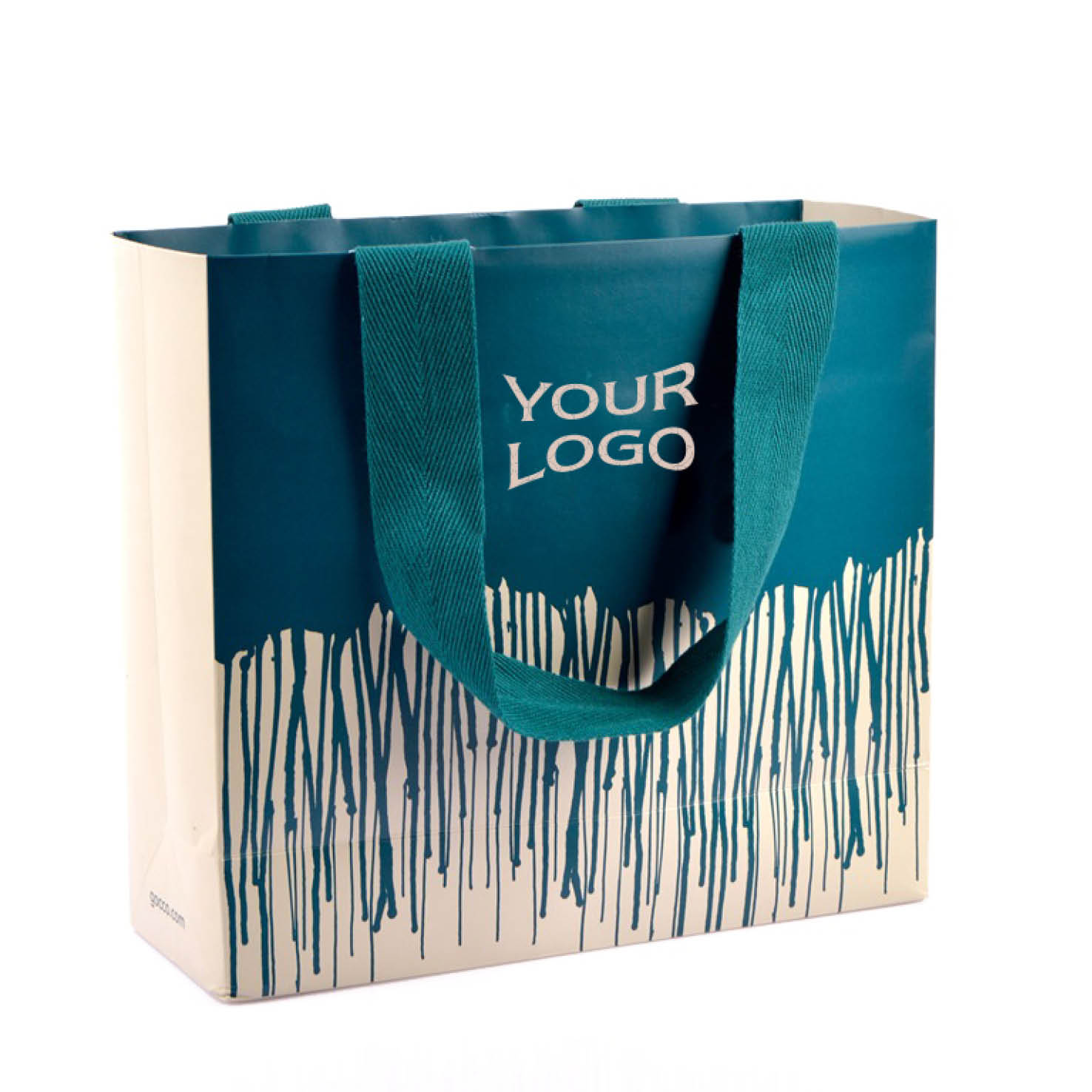
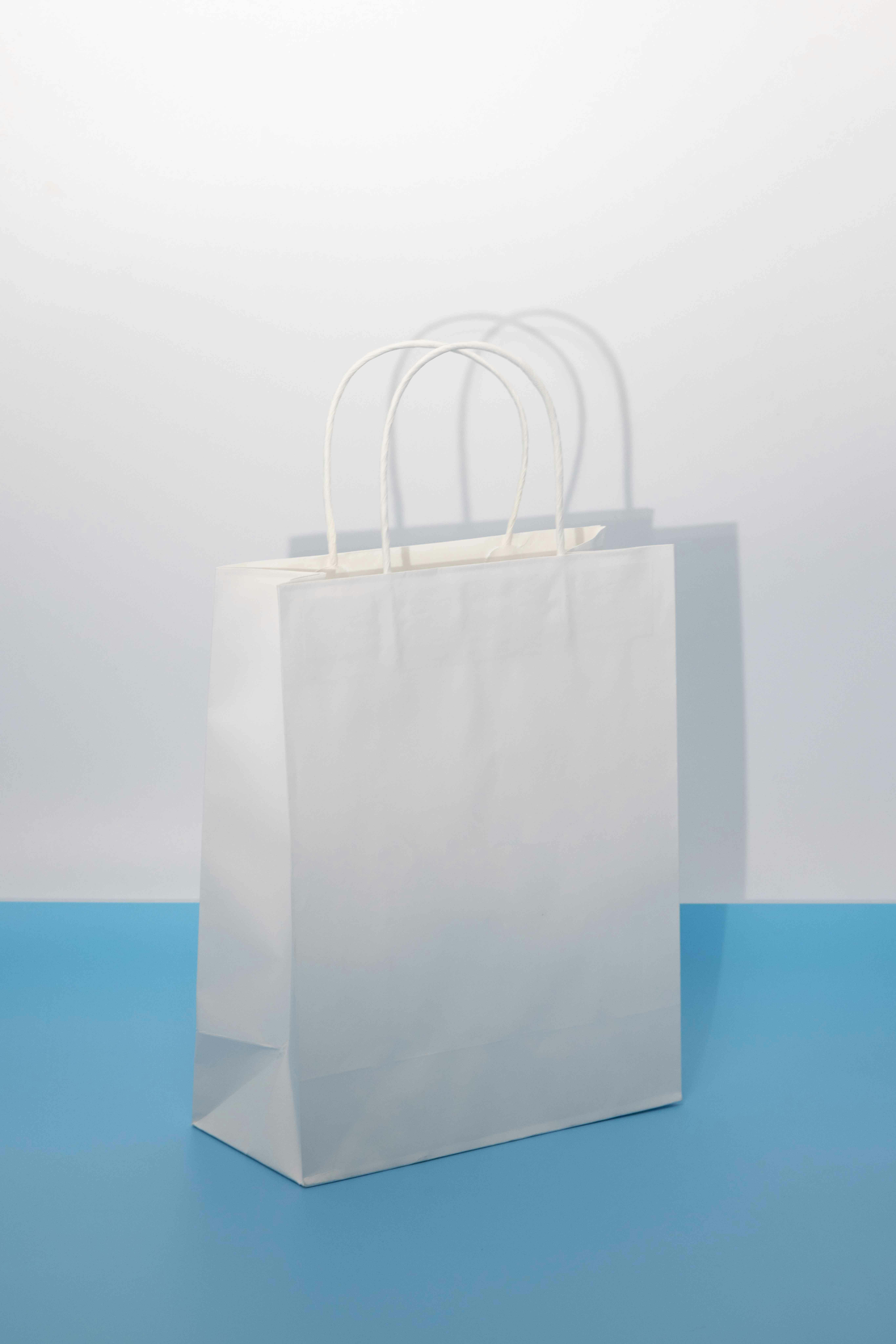
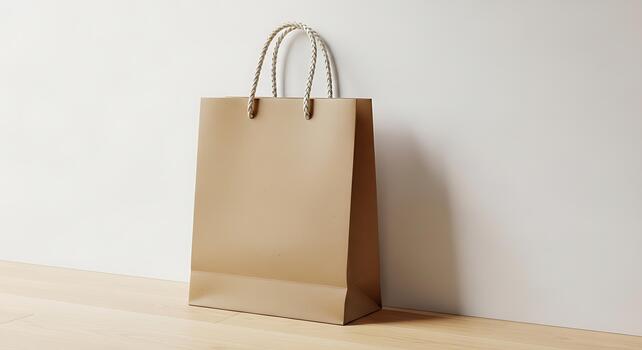
The handle is both a functional and visual detail. D-cut bags are clean and efficient for lighter items. Glued handle bags feel stronger and more polished for retail handovers. Twisted paper handles create a familiar premium retail look, while rope or ribbon handles can elevate luxury paper bags for jewellery, fashion and gifting.
Handle choice should be matched with expected product weight. A beautiful printed bag that feels weak in the hand can reduce the perceived quality of the brand. For premium orders, it is worth checking the product weight and deciding whether the mouth of the bag needs reinforcement.
- D-cut handles suit lighter products and simple retail handovers.
- Glued handles provide a stronger, cleaner carry experience.
- Twisted handles work well for premium retail and gifting.
- Rope or ribbon handles are better for luxury paper bags and festive presentation.
Artwork planning should include practical production details
Good paper bag printing depends on more than the front logo. Artwork should consider bleed, safe area, side gusset, bottom fold, handle holes and the viewing angle when the bag is carried. A design that looks balanced on a flat proof may shift visually once the bag is folded and assembled.
Before production, the artwork should be checked for resolution, colour mode, logo placement and readability. If barcode, QR code, social handle or store information is included, those details should be placed where they remain visible and scannable after folding.
- Keep important logos away from folds, holes and edges.
- Use high-resolution artwork and vector logo files whenever possible.
- Confirm whether print is needed on one side, both sides or gussets.
- Check QR codes and small text at actual print size.
How to choose the right paper bag format
A strong specification usually starts with size, quantity, paper feel, handle type and artwork intent. For everyday retail, a practical printed handle bag may be enough. For boutiques, gifting and jewellery, luxury paper bags with better stock and finishing can make the handover feel more considered.
If you are unsure, start with the product size and weight, then decide whether the bag should feel simple, premium, festive or luxury. That decision will guide the paper, handle and finish more clearly than choosing from finish names alone.
Common questions
Which paper bag finish looks most premium?
Matte lamination, textured paper and selective foil usually create a more premium look than a full glossy finish.
Can paper bags be printed with brand colours?
Yes. For accurate brand colours, coated paper and print-ready artwork help produce cleaner colour output.
What details are needed for a paper bag quote?
Size, quantity, paper type, handle style, artwork status, finish preference and timeline are the key details.