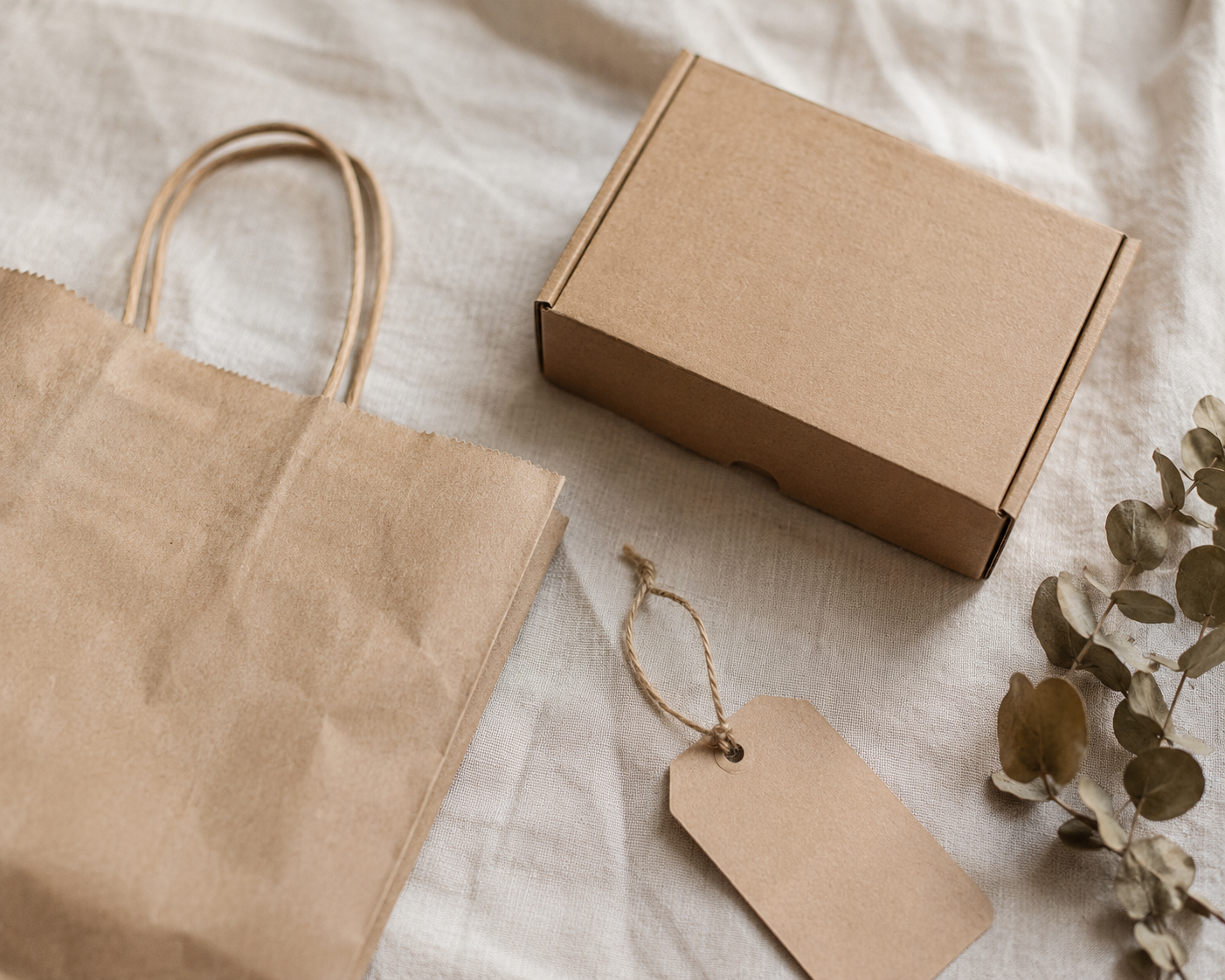
Sustainable packaging is often reduced to a single material choice, but it actually involves paper source, ink type, lamination, adhesive and how easily the piece can be recycled or reused. Brands that plan these decisions together end up with packaging that is genuinely more eco-friendly, not just packaging that looks eco-friendly.
Start with what "eco-friendly" should mean for the brand
Eco-friendly packaging can mean different things depending on the goal. Some brands want recyclable materials so the packaging can re-enter the paper stream. Some want biodegradable materials that break down naturally. Some want reduced material use so less is produced and shipped in the first place. These goals lead to different decisions, so it helps to be clear about which one matters most before choosing paper, ink or finish.
A useful starting question is what happens to the packaging after the customer is done with it. If it is likely to be thrown away, recyclability and reduced material matter most. If it may be reused, structure and durability matter more than the raw material claim.
- Recyclable packaging matters most when the item is likely to be discarded quickly.
- Reduced material use lowers cost and environmental impact at the same time.
- Reusable structure matters when customers are likely to keep the packaging.
- Avoid mixing incompatible materials that make recycling harder, such as heavy plastic lamination on paper.
Choose paper stock with the full lifecycle in mind
Kraft paper is a common starting point because it uses less processing than bright white coated stock and gives a natural, honest look that suits many sustainability-focused brands. Recycled board is another practical option for boxes and rigid packaging, though it may show slight texture variation compared to virgin board.
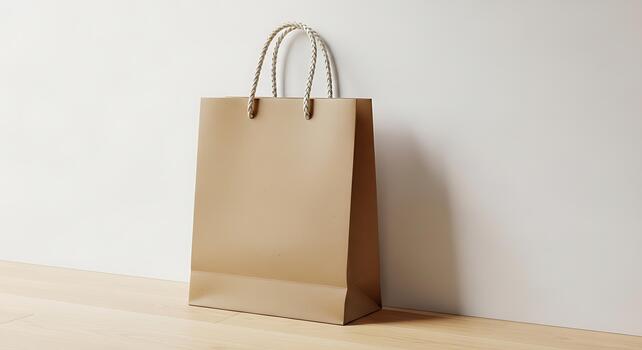
Paper alone does not decide the outcome. A kraft bag laminated heavily with plastic film is harder to recycle than a plain kraft bag with minimal coating. The full construction, not just the base paper, determines how sustainable the final piece actually is.
- Use kraft or uncoated paper for a natural look with lower processing.
- Use recycled board for boxes where slight texture variation is acceptable.
- Avoid heavy plastic lamination if recyclability is the priority.
- Ask about FSC-certified or responsibly sourced paper if certification matters to the brand.
Rethink lamination and coating before removing them entirely
Plastic lamination extends the life of a printed piece and protects it from moisture, but it also makes the material harder to recycle. Water-based coatings and aqueous varnish can offer some surface protection with a lower environmental footprint, though they may not match the exact same gloss or durability as plastic film.
For products that do not need heavy moisture protection, skipping lamination altogether can be the simplest sustainable choice. For products that genuinely need protection, a water-based coating is often a reasonable middle ground between an uncoated surface and full plastic lamination.
- Skip lamination entirely for low-handling, short-life packaging.
- Use water-based or aqueous coating as a lower-impact alternative to plastic film.
- Reserve plastic lamination for packaging that must survive moisture or heavy handling.
- Check whether the intended finish is actually necessary before specifying it.
Consider ink type for print-heavy pieces
Soy-based and vegetable-based inks are increasingly used as an alternative to standard petroleum-based inks, particularly for large solid colour areas. The visual result is similar for most designs, and the change mainly affects the ink composition rather than the finished look.
For brands that want to communicate a sustainability position clearly, ink choice is a detail worth asking about directly, since it is not always the default option and needs to be confirmed before production.
- Ask specifically about soy or vegetable-based ink if this matters to the brand.
- Understand that ink choice mainly affects composition, not visual output.
- Confirm ink type before production, as it is not always the standard default.
- Combine sustainable ink with uncoated stock for a fully consistent approach.
Reduce material without reducing brand presence
One of the most effective sustainability moves is simply using less material for the same result. A right-sized box instead of an oversized one, a single strong finish instead of several decorative effects, and a bag sized to the actual product all reduce material use without making the packaging feel less considered.
This approach also tends to reduce cost, which makes it a practical starting point for brands that want to move toward more sustainable packaging without a large budget increase. A well-proportioned, cleanly printed package can feel just as premium as a heavily decorated one.
- Size boxes and bags to the actual product instead of a generic standard.
- Reduce the number of separate finishing effects on a single piece.
- Choose one meaningful sustainable detail rather than many partial ones.
- Share the sustainability goal clearly so the printer can suggest matched material and finish combinations.
Common questions
Is kraft paper always more eco-friendly than coated paper?
Kraft paper generally involves less processing, but the full construction, including lamination, coating and ink, determines how sustainable the final piece is.
Can eco-friendly packaging still look premium?
Yes. Clean proportions, restrained finishing and a well-chosen material such as textured kraft or recycled board can look considered without heavy decoration.
What should I share to get a sustainable packaging quote?
Share the product type, quantity, whether recyclability or biodegradability matters most, and any material or ink preferences so the printer can suggest matching options.