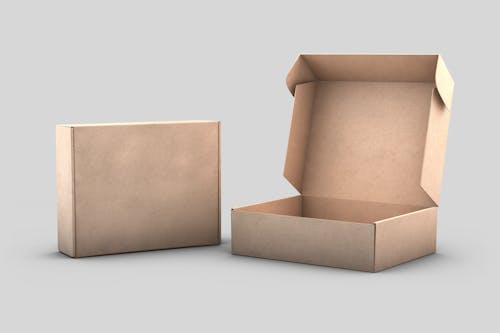
Rigid and fancy boxes are chosen when the product needs to feel valuable before it is opened. For gifting, jewellery, apparel accessories, premium kits and launch hampers, structure, board thickness and print finishing all work together to create that impression.
Use fancy boxes when the box is part of the product experience
Fancy boxes and kappa rigid boxes are not just containers. They are presentation pieces. They are useful when the first impression, opening experience and perceived value of the product matter as much as protection. This is why they are common for jewellery, gifting, festive hampers, boutique products and launch kits.
Compared with lightweight folding cartons, rigid boxes hold their shape better, feel more substantial in the hand and support premium finishing. The extra structure can make a simple product feel more valuable, especially when the print finish is clean and the proportions are right.
- Choose kappa rigid boxes for high-value gifts, launch kits and premium retail products.
- Choose kappa fancy boxes when decorative presentation and gifting appeal matter.
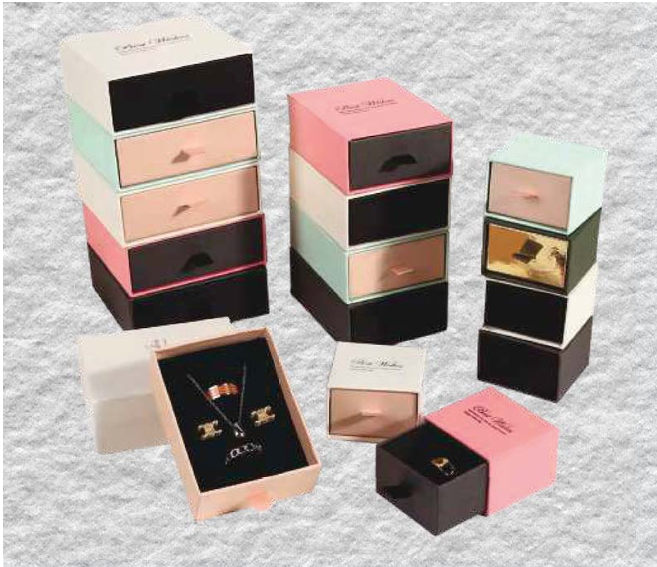
- Choose jewellery fancy boxes when small products need proportion, protection and a refined reveal.
- Choose MDF boxes when the client wants a durable, reusable presentation format.
Structure should be decided before artwork
Artwork for a box depends on structure. Lid style, box depth, opening direction, insert, partition and closure all affect where the brand mark should sit. If artwork is prepared before the structure is final, the logo may land too close to an edge, fold, joint or closure point.
A better process is to confirm product dimensions and usage first, then decide the box format. Once the structure is clear, artwork can be adapted to the exact lid, side walls, base, sleeve or inner tray. This keeps the design intentional after assembly, not just on a flat mockup.
- Share product dimensions before final artwork placement.
- Plan inserts early if the product needs support inside the box.
- Keep the logo on the most visible viewing side.
- Check whether the box will be opened flat, lifted, slid or hinged.
Board thickness and wrap material change the final feel
Kappa board thickness affects the weight, strength and perceived value of the box. A thicker board can feel premium, but it also affects cost and construction. For some products, a balanced board thickness with a good wrap material looks more refined than an unnecessarily heavy box.
The wrap material also matters. Printed paper wrap is useful for artwork, colours and patterns. Textured paper gives a more tactile premium feel. Special papers, foil work and embossing can be used for selective emphasis, but they should match the product category and brand tone.
- Thicker board gives a stronger and more premium hand feel.
- Printed wrap works well for colours, patterns and campaign artwork.
- Textured wrap is useful for subtle luxury presentation.
- Special finishing should be used where it adds visible value.
Finishing should match the value of the product
A premium box does not always need heavy decoration. A clean matte surface with a small foil logo can look more refined than a busy full-print surface. For festive or gift boxes, stronger colours, patterns and decorative effects can work better because the use case is more expressive.
The finishing choice should answer one question: what should the buyer feel when they see and touch the box? If the answer is quiet luxury, use restrained colour and selective foil. If the answer is celebration, use richer colour and decorative print. If the answer is durability, consider MDF or a more protective rigid structure.
- Matte wrap: elegant and controlled.
- Foil stamping: strong for logos, initials and premium marks.
- Embossing: adds depth without crowding the design.
- Spot UV: useful for selective shine and contrast.
- MDF boxes: useful when the box should feel durable and reusable.
Inserts and compartments improve presentation and protection
The inside of the box is part of the brand experience. Inserts help products sit correctly, prevent movement and create a neater reveal. For jewellery, foam, velvet or paper inserts can make a small item look more intentional. For gift sets, partitions help each item feel placed rather than packed.
Inserts should be planned with the product, not after the box is complete. Product height, opening clearance and display angle all affect whether the insert works well. The best box feels complete from outside to inside.
- Use inserts for jewellery, accessories, kits and fragile products.
- Use partitions for hampers, gift sets and multi-item packs.
- Match insert colour with the brand palette and outer finish.
- Check product fit before approving production.
How to decide between kappa, jewellery and MDF boxes
Kappa rigid boxes are a strong choice for most premium printed boxes because they balance presentation, finish and production flexibility. Jewellery fancy boxes work best when the product is small and needs a more intimate opening experience. MDF boxes are better when the box should become a keepsake or reusable item.
The right choice depends on product value, expected use, quantity, finish and how the customer will receive the product. When these decisions are clear, the box can be designed around the actual customer handover instead of looking like a generic premium box.
Common questions
What is a kappa rigid box?
It is a sturdy presentation box made using rigid board, usually wrapped with printed or textured paper for a premium finish.
Are rigid boxes suitable for gifting?
Yes. Rigid and fancy boxes are commonly used for gift sets, jewellery, launch kits, festive packaging and premium retail products.
What affects rigid box pricing?
Size, board thickness, quantity, print coverage, wrap material, inserts, closure style and finishing all affect pricing.