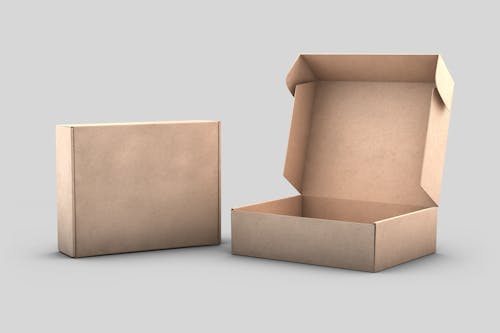
A package made for e-commerce has a different job from a package made for a retail shelf. Online orders need protection, clear dispatch labels, a good opening experience and practical handling. Retail shelf packaging needs quick recognition, readable information and strong front-facing design. When both channels are planned with the same packaging, one side often suffers.
Start with where the customer first sees the package
In retail, the customer sees the product before buying it. The front label, colour, box shape, tag and finish must work from a distance and help the product stand out beside competitors. In e-commerce, the customer has already bought the product before seeing the package, so the first physical moment is delivery and unboxing.
This changes the priority. Retail packaging should help the product get selected. E-commerce packaging should protect the product and reassure the customer that the brand has handled the order carefully. The same printed box or bag can work for both, but only if the use case is planned early.
- Retail shelf packaging needs strong front-facing design and readable labels.
- E-commerce packaging needs protection, shipping practicality and a clean reveal.
- Decide whether the packaging is meant to sell, ship, gift or all three.
- Plan online and offline packaging as related formats, not identical formats.
Prioritise protection for e-commerce orders
E-commerce packaging passes through more handling than a retail counter handover. Boxes may be stacked, sorted, transported and opened by customers without guidance from store staff. This means the outer structure, insert, label placement and sealing method should be chosen with movement and pressure in mind.
A rigid box may need an outer shipper. A product label may need extra protection from rubbing. A sticker seal may need stronger adhesive. If the product is fragile, an insert or partition can be more important than an expensive outer finish. The customer should receive the product in the same condition the brand intended.
- Use inserts or partitions when products can move inside the box.
- Protect labels and stickers from rubbing during transit.
- Avoid oversized boxes that increase filler and shipping cost.
- Use seals and closures that stay secure through handling.
Make retail shelf packaging readable at first glance
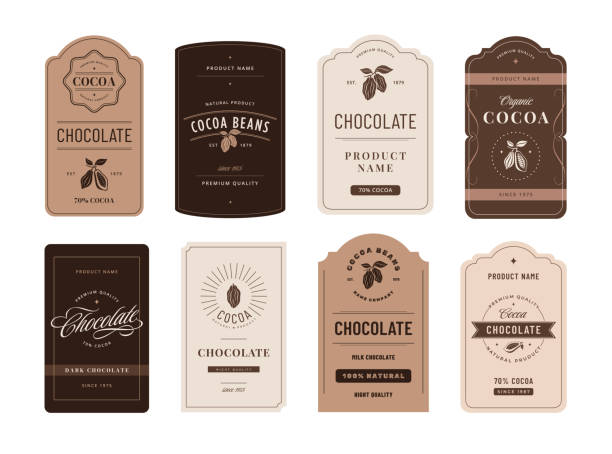
Retail packaging has only a few seconds to communicate. The product name, variant, key benefit, quantity, barcode and brand mark should be placed where the customer and store staff can read them quickly. A beautiful label that hides essential information can slow the sale.
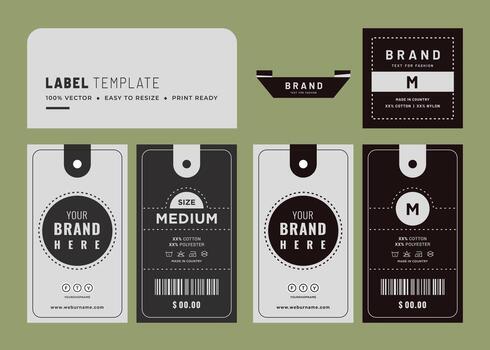
Front labels, hang tags and box panels should be designed with hierarchy. The most important information should be visible first. Secondary information can move to the side panel, back label, hang tag or QR code. This keeps the main face clean while still giving the customer enough detail.
- Keep product name and variant visible on the front face.
- Use side or back panels for details that do not need first glance attention.
- Place barcode and QR code where they can be scanned easily.
- Check label readability at actual printed size.
Use stickers and labels differently in each channel
For e-commerce, stickers often support sealing, dispatch, batch marking, returns and order identification. For retail shelves, labels and stickers support product information, price, barcode, variant and visual appeal. The same sticker size may not suit both jobs.
If the brand sells through both channels, it can help to separate base packaging from channel-specific labels. A common box or bag can carry the main brand identity, while different stickers or labels handle shipping, shelf display, offers or product variants.
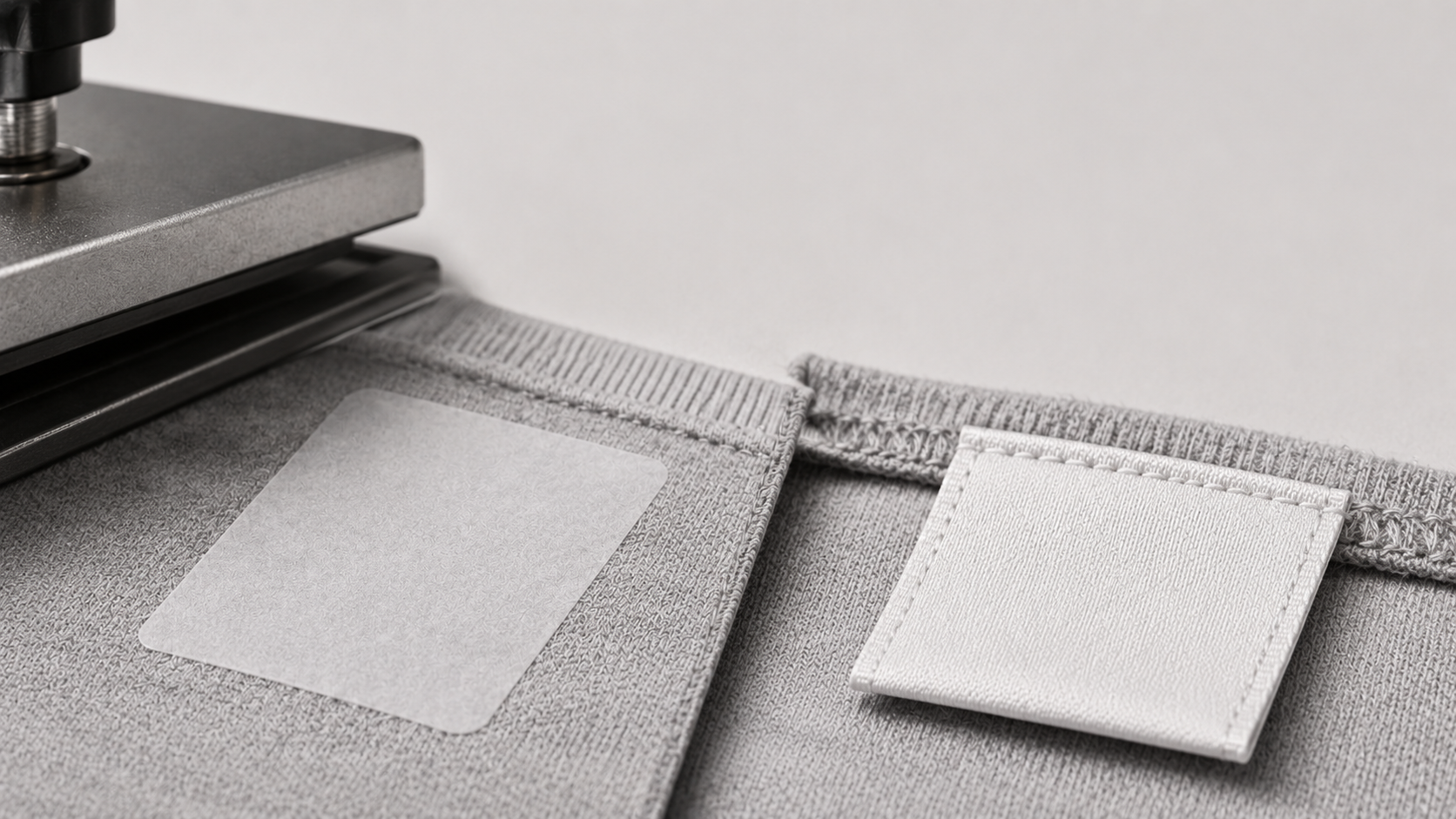
- Use seal stickers to improve the e-commerce opening experience.
- Use product labels for shelf information and variant clarity.
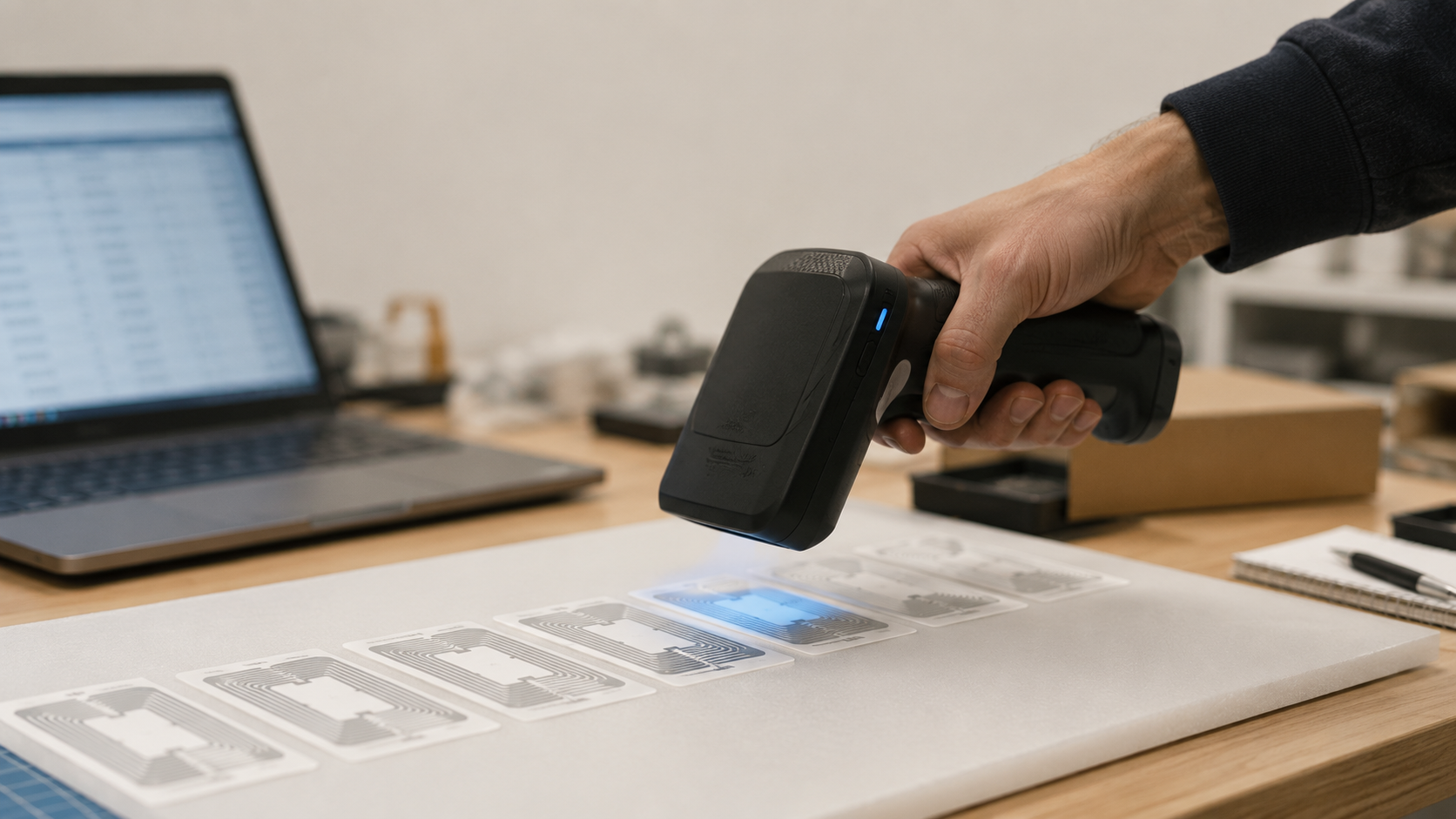
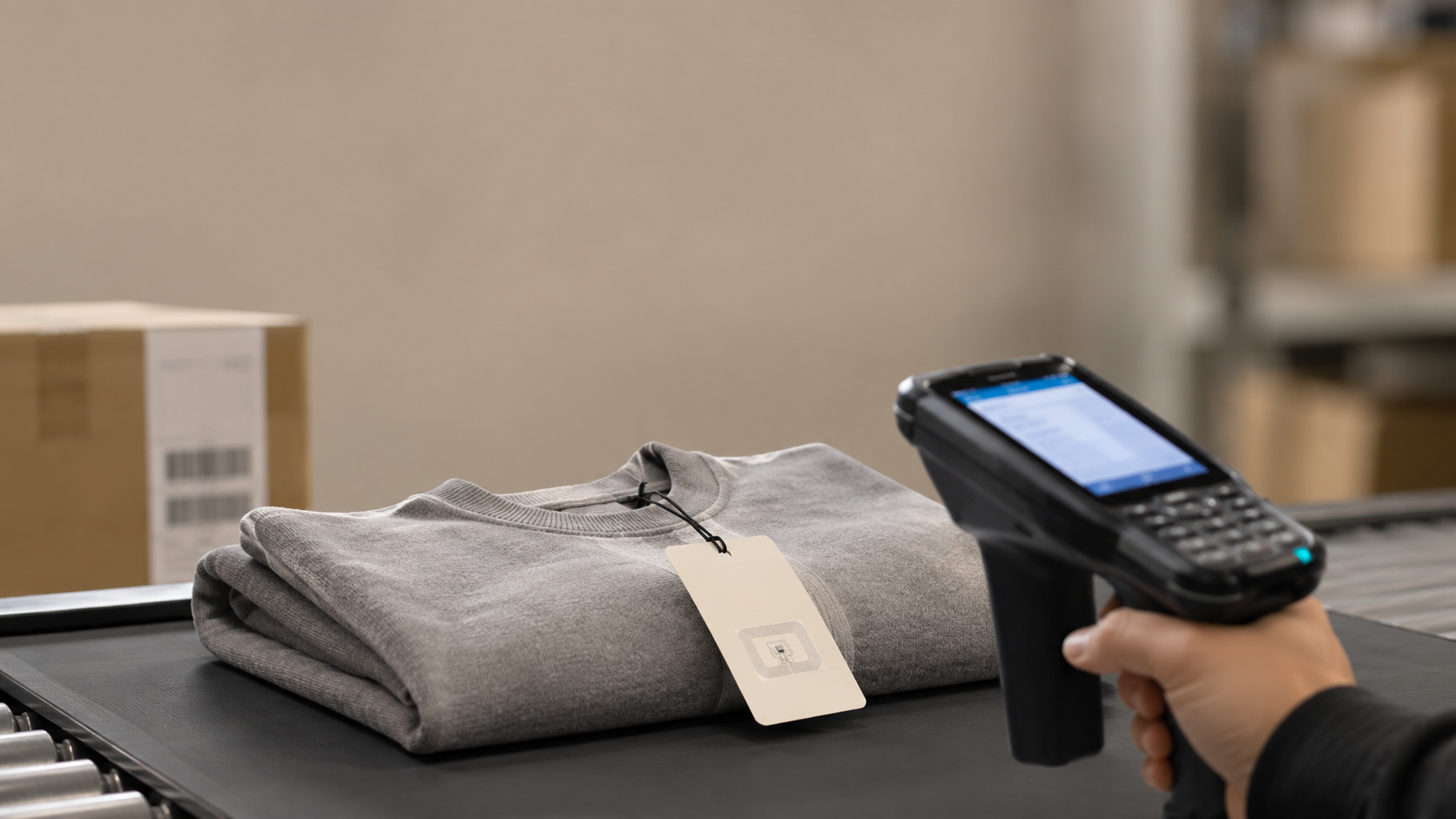
- Use barcode stickers where billing or inventory scanning is needed.
- Use channel-specific stickers instead of reprinting the whole box.
Plan the unboxing moment without overcomplicating it
Unboxing does not always require luxury packaging. A clean box, neat tissue, a printed thank-you card, a sticker seal and a well-placed product label can feel more premium than a complicated package that is hard to open. The key is consistency.
For online orders, the inside of the box matters because it is the first branded moment after delivery. For retail, the carry bag or outer box may create the handover experience. In both cases, the print pieces should feel like one set.
- Use tissue, insert cards and sticker seals for a more complete e-commerce reveal.
- Use paper bags, hang tags and premium labels for retail handovers.
- Keep colours and typography consistent across the packaging set.
- Do not add packaging layers that make the order difficult to open.
Share channel details before asking for pricing
A clear brief helps the printer suggest the right format. If the product is sold online, share shipping method, product weight, fragility and whether an outer shipper is required. If the product is sold on shelf, share front-facing display direction, barcode needs, label size and store handling requirements.
The best packaging decision may be a shared base format with small changes for each channel. This keeps the brand consistent while reducing cost and making repeat orders easier.
- Share whether the packaging is for e-commerce, retail shelf or both.
- Mention product dimensions, weight, quantity and fragility.
- Share label, barcode, QR code and sticker requirements early.
- Ask for a practical online option and a retail shelf option for comparison.
Common questions
Can the same packaging work for e-commerce and retail?
Yes, but it should be planned carefully. A common base box or bag can work across channels, while labels, stickers, inserts and shipping protection can be adjusted for each use.
What matters most for e-commerce packaging?
Protection, secure closure, clean unboxing, readable shipping labels and product safety during handling matter most.
What matters most for retail shelf packaging?
Clear front-facing design, readable product information, barcode placement, shelf appeal and brand consistency matter most.