A new retail product launch needs packaging that does more than look attractive in a mockup. The right set should protect the product, explain the brand, support the first handover and stay practical for the first production run. Bags, boxes, labels, tags and stickers should be planned together so the launch feels complete instead of patched together at the last moment.
Start with how the customer will receive the product
Packaging should be planned around the handover moment. A product sold at a boutique counter, sent inside a launch hamper or displayed on a retail shelf will need different packaging decisions. The same product may need a rigid box for presentation, a printed bag for carryout, a hang tag for information and a sticker for sealing or campaign detail.
When the customer journey is clear, it becomes easier to decide what needs to feel premium and what can stay simple. A launch set should create a strong first impression, but it should also be repeatable if the product begins selling regularly.
- Counter sales need clean carry packaging and visible brand print.
- Shelf products need readable labels and strong front-facing design.
- Gift or launch kits benefit from boxes, inserts, tags and sealing stickers.
- E-commerce handovers need protection first, then branded presentation.
Choose the primary packaging before the add-ons
The primary packaging is the piece that holds or presents the product most directly. For a premium gift product, this may be a rigid box. For apparel, it may be a paper bag, hang tag and woven label combination. For jars, bottles or pouches, the product label may carry most of the visual responsibility.
Once the primary packaging is clear, add-ons can be chosen with more control. Stickers, tags, sleeves, inserts and carry bags should support the main format instead of competing with it. This keeps the launch set consistent and avoids unnecessary cost.
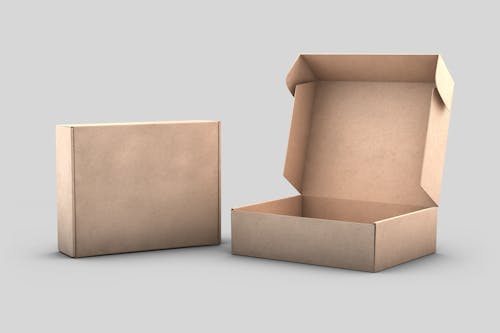
- Use rigid boxes when the product needs a premium reveal.
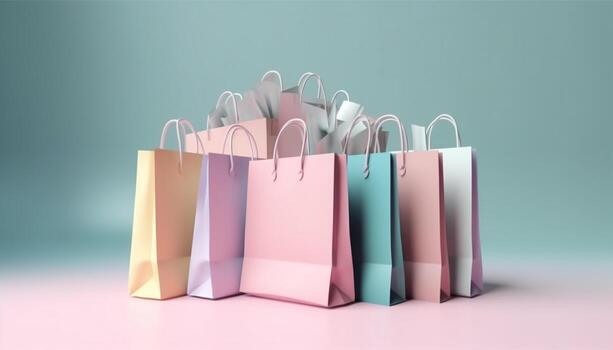
- Use printed paper bags when the handover and carry experience matter.
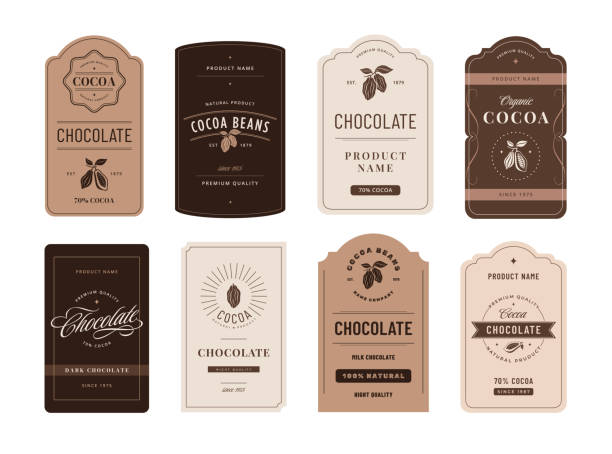
- Use product labels when shelf readability and product information are central.
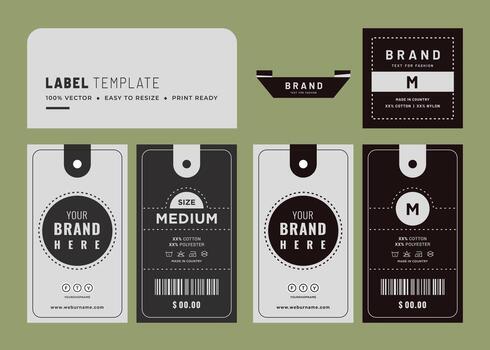
- Use hang tags, stickers and cloth labels as supporting brand touchpoints.
Keep the first run practical and repeatable
A new product launch often changes after market feedback. The first packaging run should therefore feel polished without becoming too complicated to repeat. A clean printed box, a well-sized label and one strong finish detail can be more useful than a heavy specification with too many special effects.
Quantity, timeline and budget should be discussed early. Some finishes look excellent but need more production time. Some structures feel premium but are better suited to larger quantities. The first run should prove the product and create a specification that can be improved later.
- Start with the most important packaging pieces first.
- Use premium finishing selectively on the logo, lid, tag or seal.
- Avoid too many custom parts if the product is still being tested.
- Keep approved sizes and artwork ready for repeat orders.
Match material and finish with the product category
Material changes how the product is perceived. Kraft paper can feel natural and approachable. Coated paper gives cleaner colour output. Textured paper can feel more premium when the artwork is simple. Rigid board creates a stronger presentation for gifts, jewellery and launch kits. Transparent or waterproof label stock may be better for bottles, jars and cosmetics.
The finish should support the category. A fashion or jewellery launch may benefit from matte lamination, foil, embossing or ribbon handles. A food or everyday retail product may need clear labels, strong adhesion and durable information areas.
- Use matte, textured or foil details for a more premium launch feel.
- Use coated paper when colour clarity and clean artwork matter.
- Use waterproof or transparent labels when the product surface requires it.
- Use inserts or partitions when the product needs protection and a neat reveal.
Plan the information system as a set
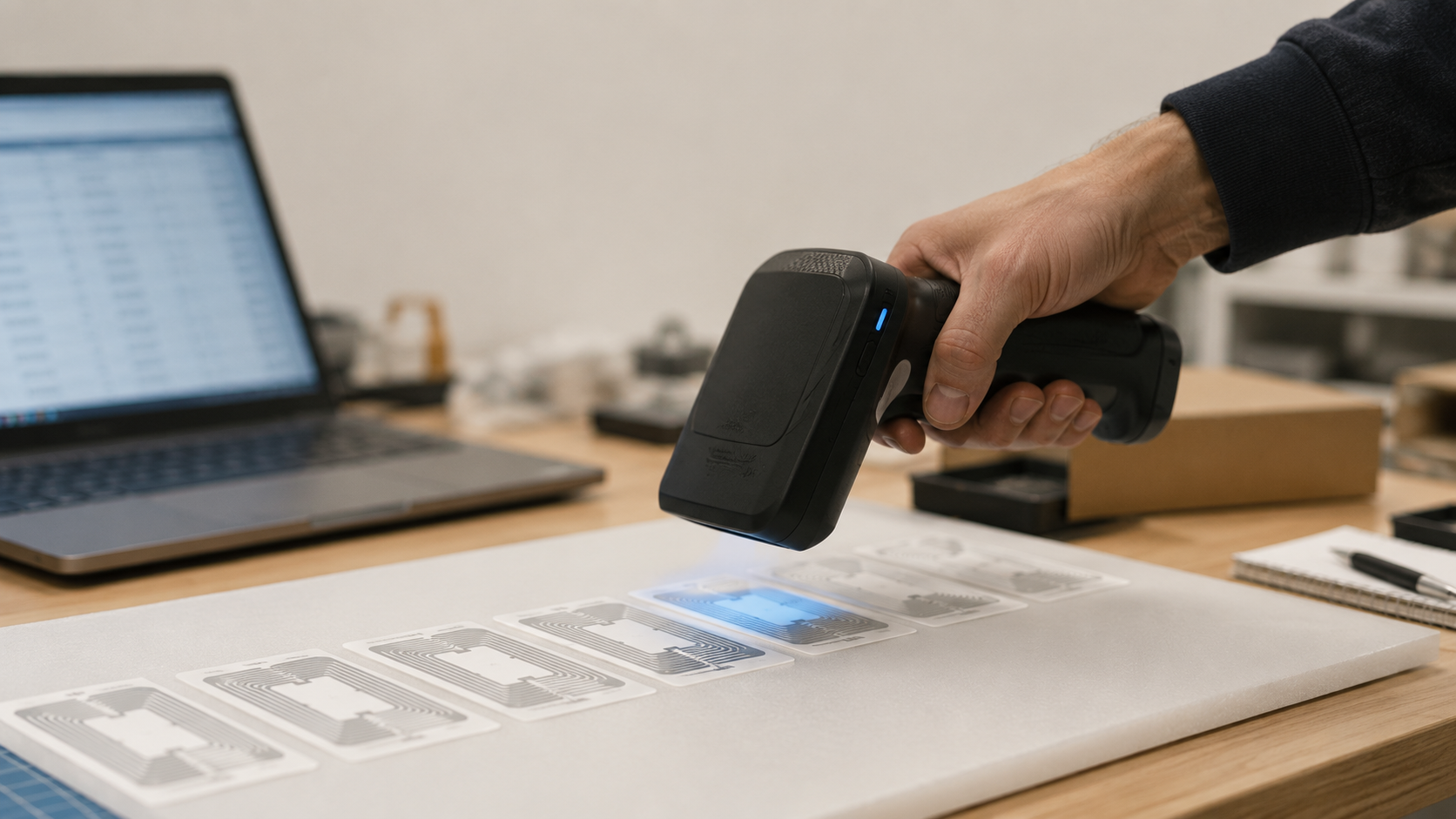
A launch package usually needs more than a logo. It may need size, price, barcode, QR code, product story, ingredients, care information, batch details or social handles. These details should be assigned to the right print piece instead of being forced onto one crowded label or tag.
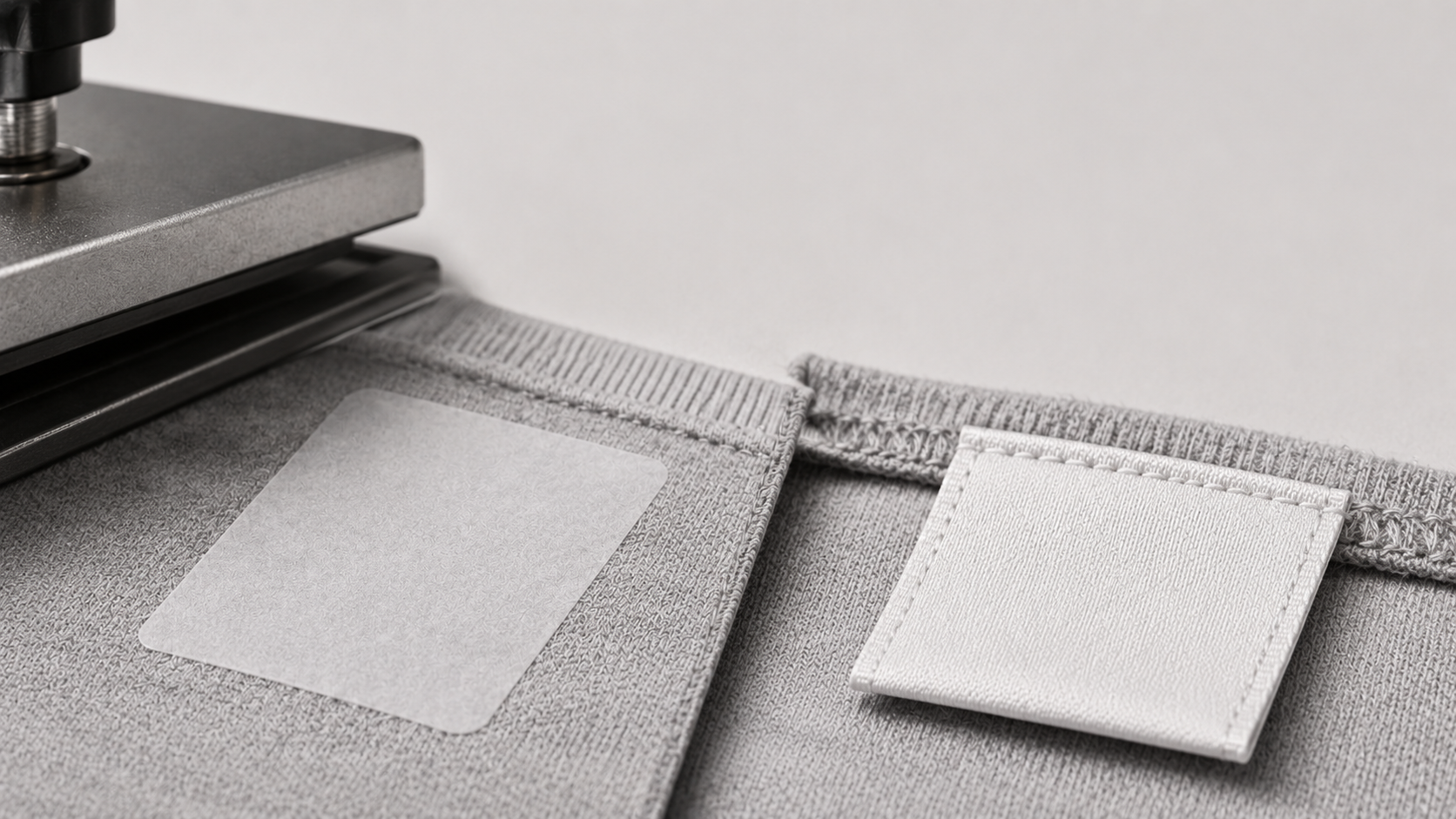
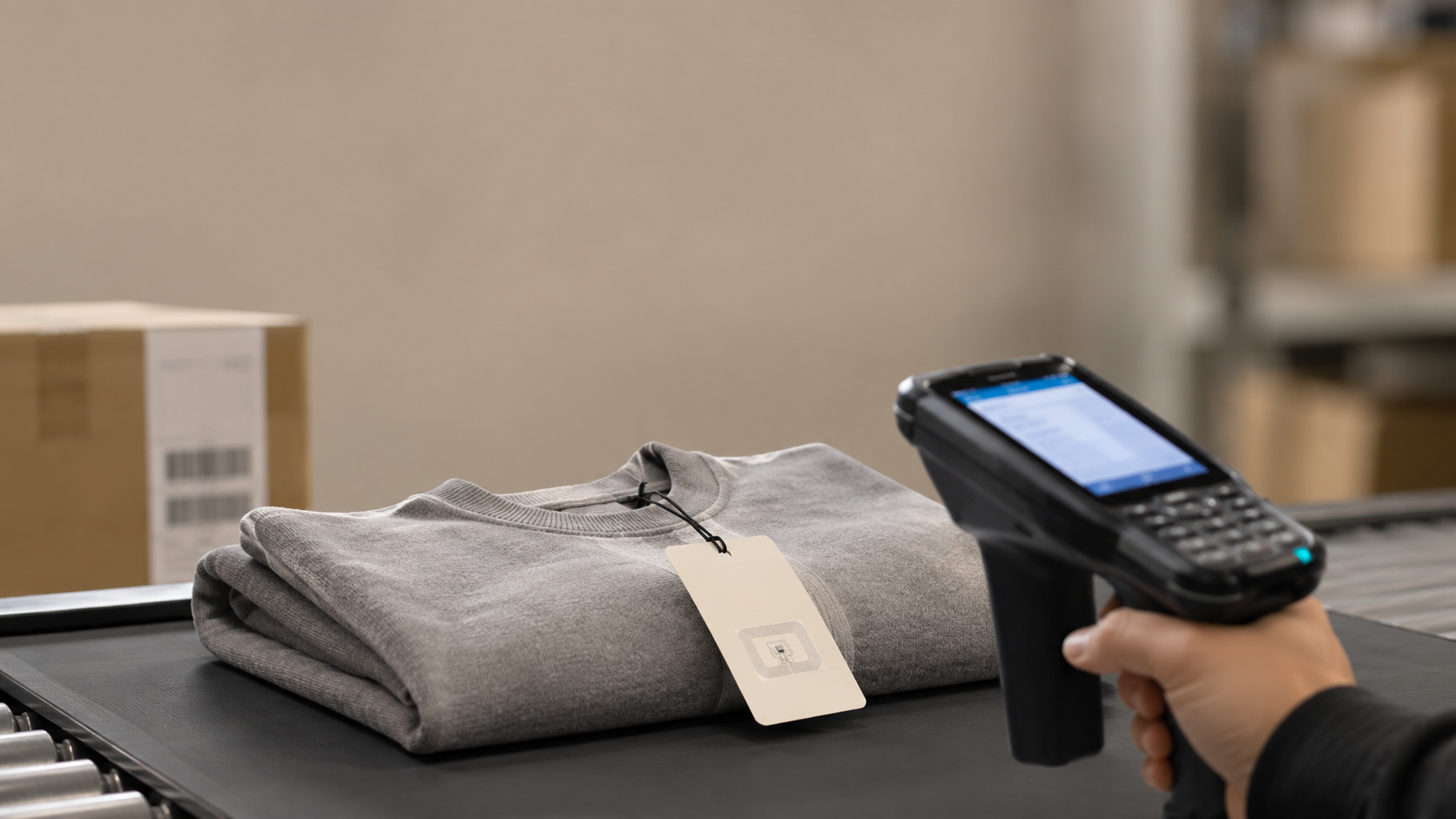
For apparel, the hang tag can carry story and pricing while the woven or cloth label stays permanent on the garment. For jars and bottles, the main product label can handle required information while a sticker or neck tag adds campaign detail. For gift boxes, an insert card or sleeve can explain the product without crowding the box lid.
- Use the main label for essential product information.
- Use hang tags or insert cards for brand story and launch details.
- Use stickers for seals, offers, batch marks or campaign messages.
- Test QR codes and barcodes at actual print size before production.
Share a complete brief before asking for pricing
Packaging pricing depends on the real specification. Size, quantity, material, print coverage, finishing, inserts, handles and timeline can all change the estimate. A clear launch brief helps the printer suggest a practical combination instead of quoting a vague idea.
If the launch date is fixed, timeline should be shared early. This helps decide whether the first run should use a simpler format, whether proofing is possible and which finishing details can be produced comfortably before the launch.
- Share product dimensions, product weight and launch date.
- Mention quantity, material preference and artwork status.
- Share whether the packaging is for retail shelf, gifting, events or e-commerce.
- Ask for options if you need a premium look within a controlled budget.
Common questions
What packaging does a new retail product launch need?
It depends on the product and sales channel, but a practical launch set often includes primary packaging, a product label or tag, a sticker or seal and a carry or shipping format.
Should the first packaging run be very premium?
It should look polished, but it should also be repeatable. Selective premium details like foil, matte finish or a better insert often work better than overcomplicating the first run.
What details are needed for a product launch packaging quote?
Share product size, weight, quantity, launch date, sales channel, artwork status, material preference and any finish expectations.