Packaging cost control does not have to mean making the brand look ordinary. A smart specification can reduce waste, avoid unnecessary extras and still create a premium first impression. The goal is to spend on the details customers notice most, while keeping the structure, material, quantity and artwork practical for production.
Start with what must feel premium
Not every part of a packaging set needs the most expensive finish. Customers usually notice the front panel, logo area, opening moment, handle, seal, label and tag before they notice hidden construction details. If those high-visibility areas are handled well, the packaging can feel premium without overspending everywhere.
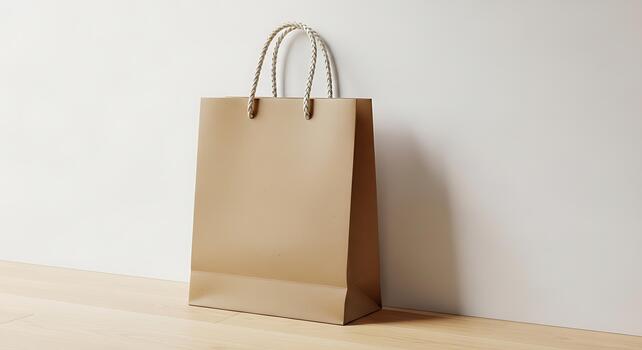
This is especially useful for first runs, seasonal campaigns and growing retail brands. A clean paper bag with a strong logo, a simple box with a good label or a plain pouch with a smart hang tag can feel more intentional than a complicated specification with too many small upgrades.
- Prioritise the logo area, front panel, seal and opening experience.
- Use premium detail where the customer will see or touch it first.
- Keep hidden or low-impact parts practical unless they affect strength.
- Decide whether the packaging must feel simple, premium, festive or luxury before choosing finishes.
Use standard sizes where possible
Custom sizes can be useful, but they may also increase setup time, material wastage and repeat-order complexity. When a product fits comfortably inside a standard bag, box or label size, the brand can often save cost without reducing the visual quality of the packaging.
Standard sizes also make future orders easier. Artwork, dielines, labels and stock planning become more repeatable. If the product range is still changing, a standard base format with flexible printed details can be a safer choice than locking every SKU into a fully custom structure.
- Choose custom sizing only when the product fit or presentation needs it.
- Avoid oversized boxes that need extra filler and increase shipping volume.
- Use one bag or box size across multiple nearby SKUs when possible.
- Keep approved dimensions and artwork files ready for repeat orders.
Spend on one strong finish instead of many small extras
Premium packaging often works best when one detail is executed clearly. A foil logo, matte lamination, spot UV mark, embossed monogram, textured paper, ribbon handle or well-designed sticker seal can create a stronger impression than several finish effects competing with each other.
Too many finishes can increase cost, production time and approval complexity. They can also make the design look busy. A controlled finish plan keeps the brand sharper and makes the quote easier to compare because the specification is not overloaded.
- Use foil, embossing or spot UV on the logo or main brand mark.
- Use matte lamination when the design needs a calm premium feel.
- Use gloss selectively when brightness and colour pop matter.
- Avoid adding finishes that do not improve the first impression or usability.
Upgrade simpler packaging with labels, stickers and tags
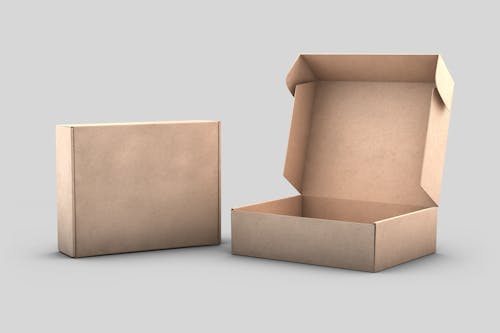
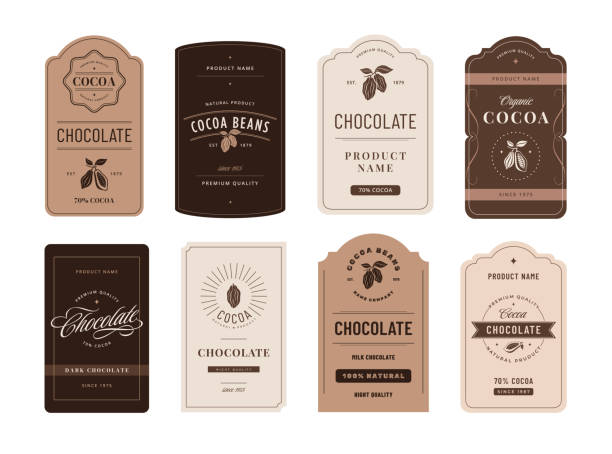
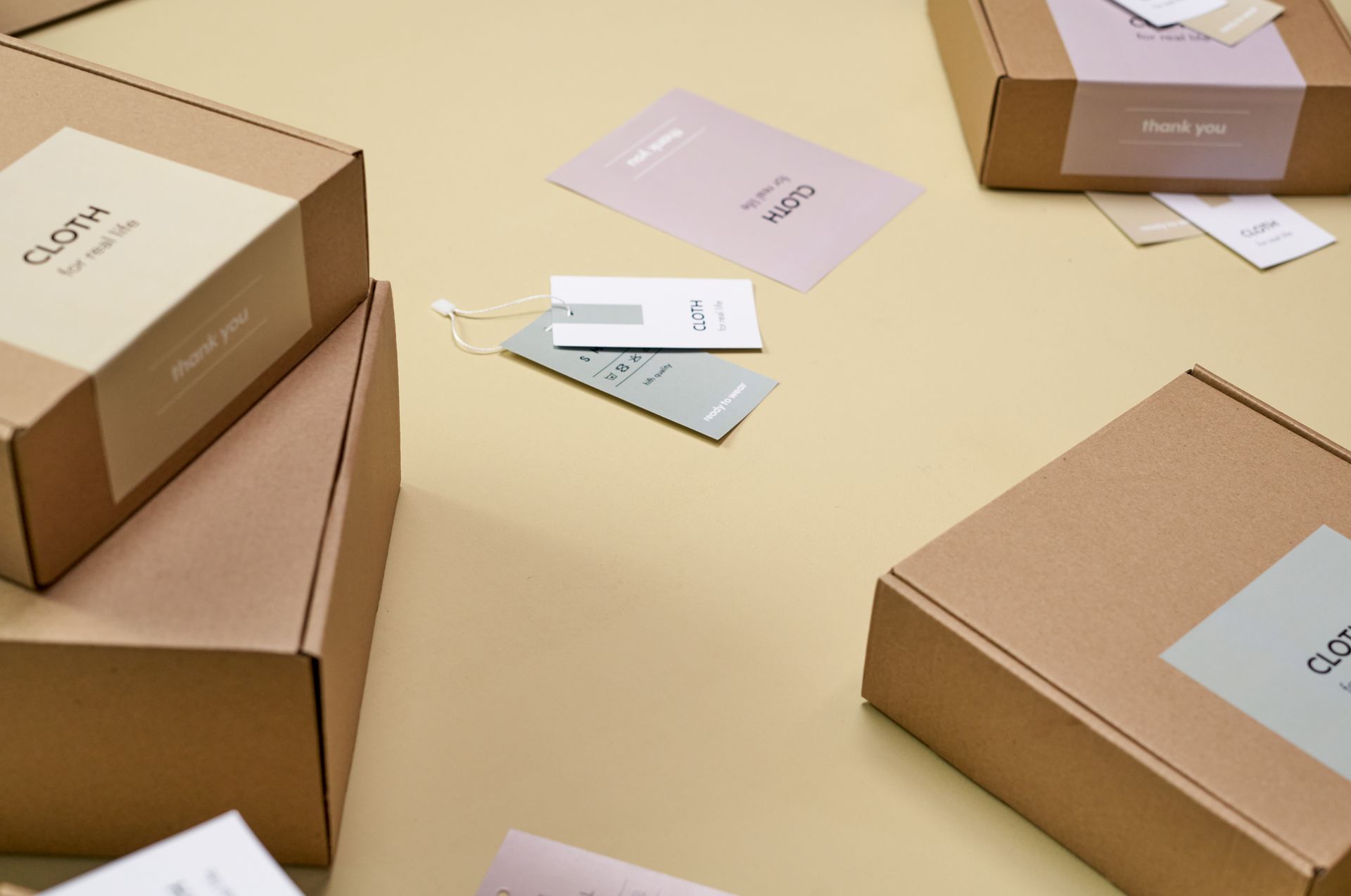
Labels, stickers and tags are one of the easiest ways to make simpler packaging feel branded. A plain box can be lifted with a clean product label. A simple paper bag can feel more complete with a hang tag. A standard carton can become campaign-ready with a sticker seal or sleeve.
This approach is useful when a brand needs several product variants but wants to control printing cost. The base packaging can stay common, while labels, stickers or tags carry the variable details such as size, fragrance, flavour, batch, collection or offer.
- Use product labels for essential information and shelf presence.
- Use stickers for seals, offers, batch marks and campaign details.
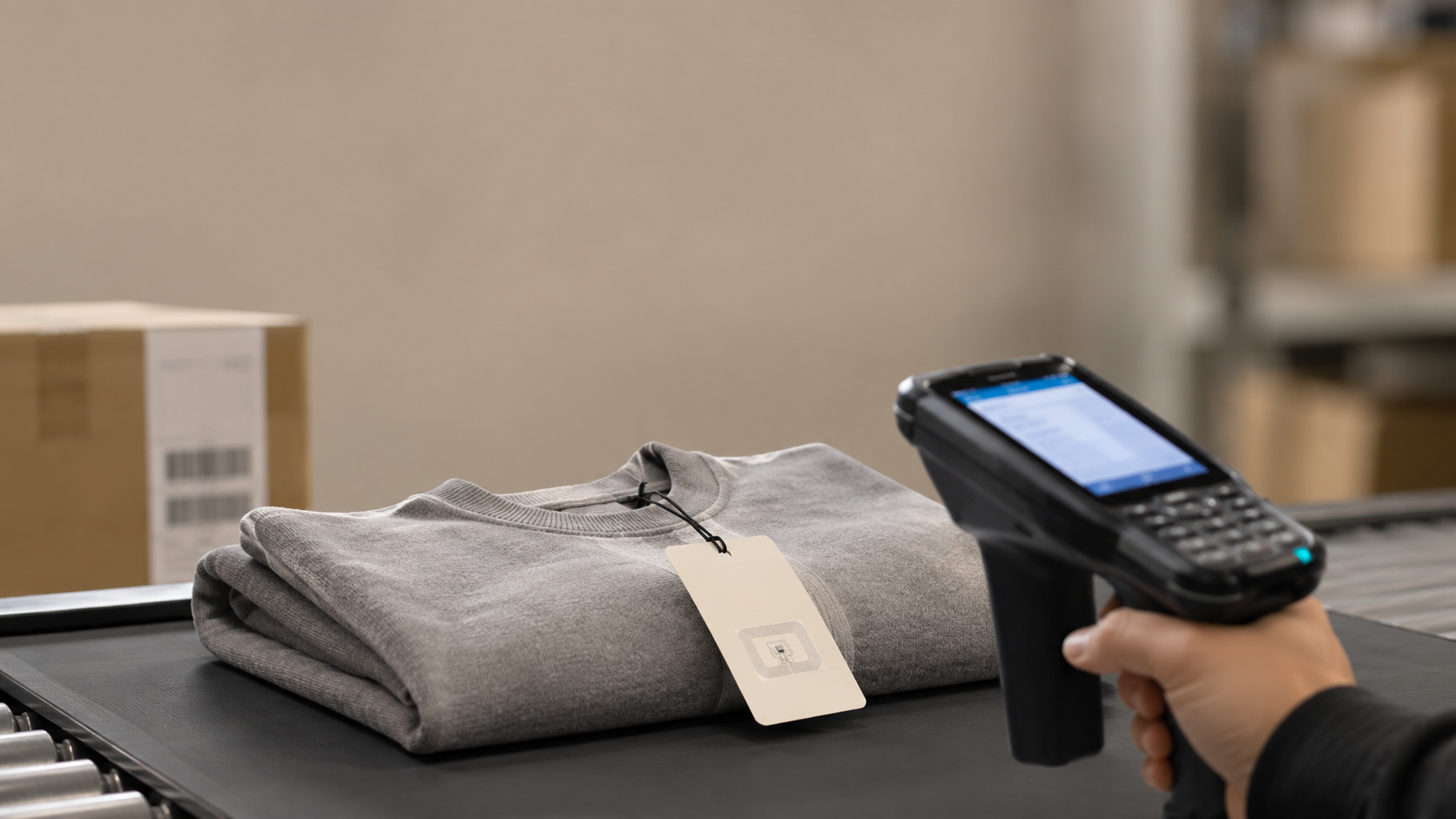
- Use hang tags for story, price, barcode and product information.
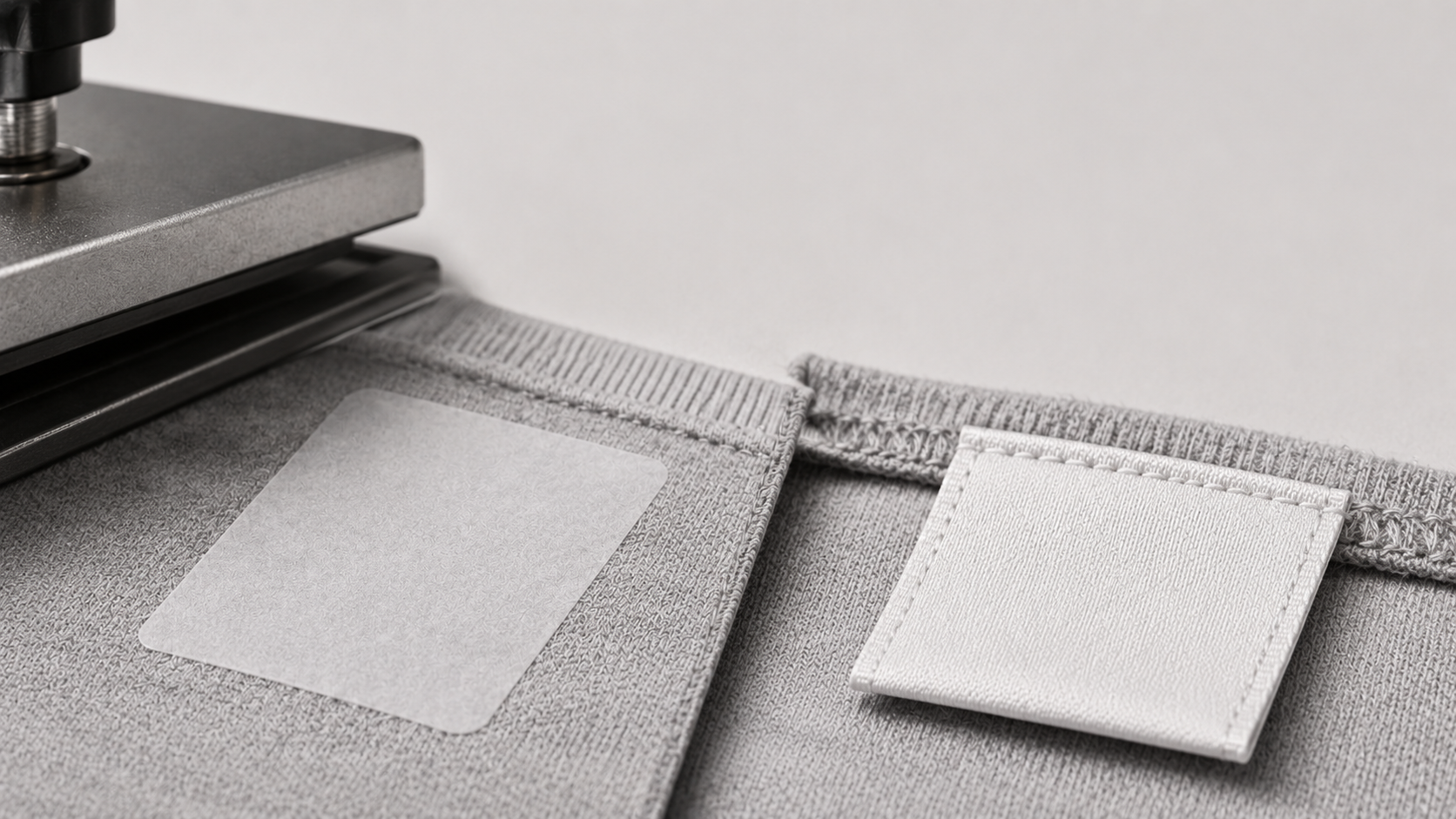
- Use woven or cloth labels when garment branding should feel permanent.
Reduce SKU complexity before reducing quality
Many packaging budgets become expensive because every variant gets a separate printed format. Before reducing paper quality or removing important branding, check whether the number of versions can be simplified. A shared base design with variable labels is often more practical than separate packaging for every SKU.
This also helps with inventory. Brands can hold one common box, bag or label base and add variant-specific stickers or tags when required. It keeps the look consistent while reducing the risk of leftover packaging for slow-moving variants.
- Group similar products into shared packaging sizes.
- Use variable stickers or labels for SKU-specific information.
- Avoid printing large quantities of packaging for untested variants.
- Keep colour, logo and typography consistent across the packaging set.
Match material strength with the real product use
Overspecifying material can quietly increase cost. A lightweight apparel item may not need an unusually heavy bag. A small jar may need a better label adhesive more than a luxury rigid box. A gift set may justify stronger board because the box is part of the perceived value.
The right material decision starts with product weight, handling, storage, delivery method and customer expectation. When these details are clear, the printer can suggest a practical stock or board thickness that supports the product without making the packaging unnecessarily expensive.
- Share product weight and dimensions before finalising material.
- Use stronger board where protection and presentation matter.
- Use coated paper when colour clarity is more important than a natural look.
- Use surface-specific label stock for bottles, jars, cartons and textured packaging.
Plan quantity and timeline early
Small urgent runs usually cost more per piece than planned repeat orders. If the brand expects repeat sales, it helps to finalise a packaging specification that can be reordered without starting from scratch each time. Approved sizes, colours, materials and artwork references reduce confusion and save time.
Timeline also affects finishing choices. Some premium details need more production time, proofing or vendor coordination. When the launch date is fixed, it may be better to choose one reliable premium detail instead of several effects that create avoidable risk.
- Share expected repeat quantity, not only the first order quantity.
- Keep approved artwork, dielines and colour references organised.
- Avoid last-minute specification changes after material planning starts.
- Discuss simpler alternatives when the deadline is tight.
Share a quote-ready brief to avoid vague pricing
Packaging prices depend on the real specification. Size, quantity, material, print coverage, finishing, handles, inserts, labels, stickers and timeline can all change the estimate. A clear brief helps the printer suggest cost-saving options without weakening the brand look.
The best brief explains the product, the customer handover and the business priority. If the priority is premium retail, the recommendation may focus on finish and touch. If the priority is a first market test, the recommendation may focus on standard sizes, clean labels and repeatable production.
- Share size, weight, quantity, artwork status and timeline.
- Mention whether the packaging is for retail shelf, gifting, events or e-commerce.
- Share material preferences and any fixed brand colour requirements.
- Ask for a practical option and a more premium option for comparison.
Common questions
How can low-cost packaging still look premium?
Use clean artwork, the right material for the product and one visible premium detail such as a good label, sticker seal, matte finish, foil logo or hang tag.
Which packaging detail gives the best premium effect for the cost?
A strong logo area, clean product label, sticker seal or selective foil detail often gives better value than adding many finishes across the full package.
Can labels and stickers reduce packaging cost?
Yes. A common base bag or box can be customised with labels, stickers or tags for different SKUs, campaigns and product information.
What details are needed for an accurate packaging quote?
Share product size, weight, quantity, packaging type, material preference, artwork status, finish expectation, delivery location and timeline.