Labels, tags and stickers are small, but they carry a lot of brand information. The right choice depends on where the piece will be applied, how long it needs to last, what information it must carry and how premium the product should feel.
Choose the print piece by where it will be used
Labels, tags and stickers may be small, but they often carry the most practical product information. The right choice depends on where the item is applied, how long it should stay in place, what information it must carry and how premium the product should feel.
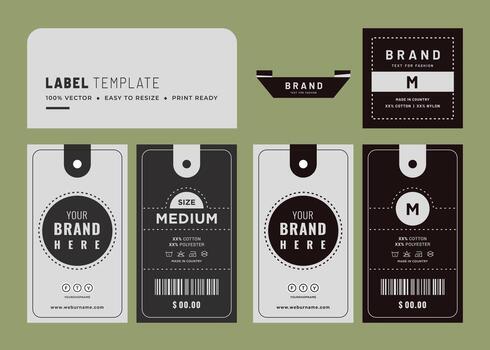
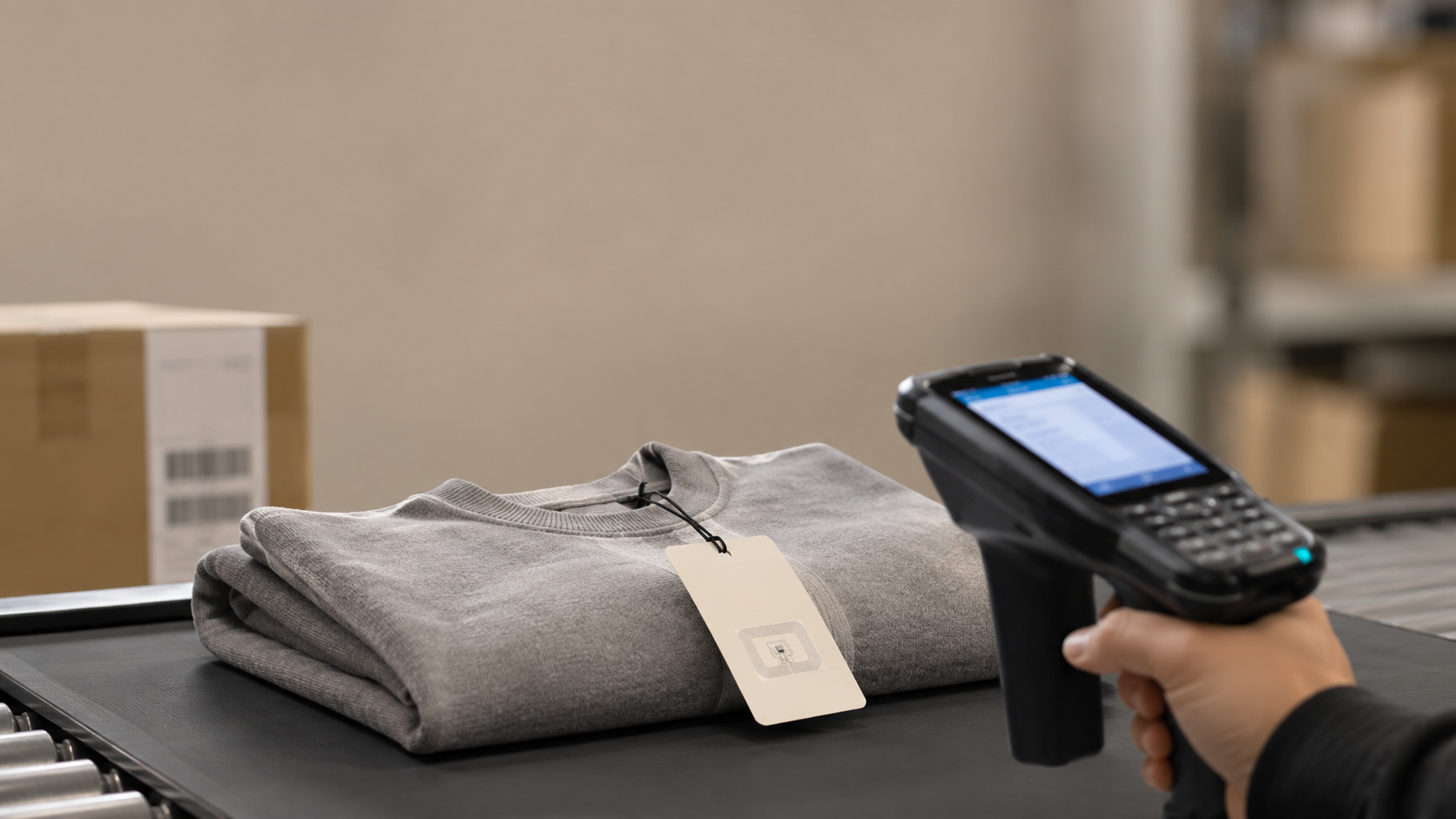
Hang tags work well for apparel and accessories because they can carry price, barcode, brand story and product details without being stitched into the item. Product labels work better on jars, bottles, pouches and boxes. Cloth and woven labels are better when the branding should stay attached to a garment or textile.
- Hang tags: best for apparel, accessories and retail product information.
- Product labels: best for bottles, jars, boxes, pouches and retail SKUs.
- Woven labels: best for premium garment branding.
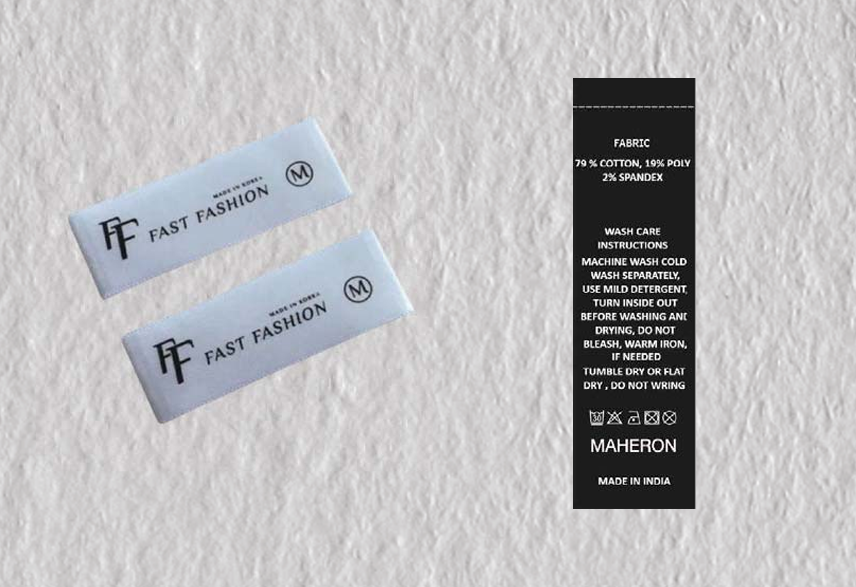
- Printed cloth labels: best for care information, size labels and garment details.
- Custom stickers: best for seals, campaigns and quick brand touchpoints.
Use RFID labels when identification and tracking matter
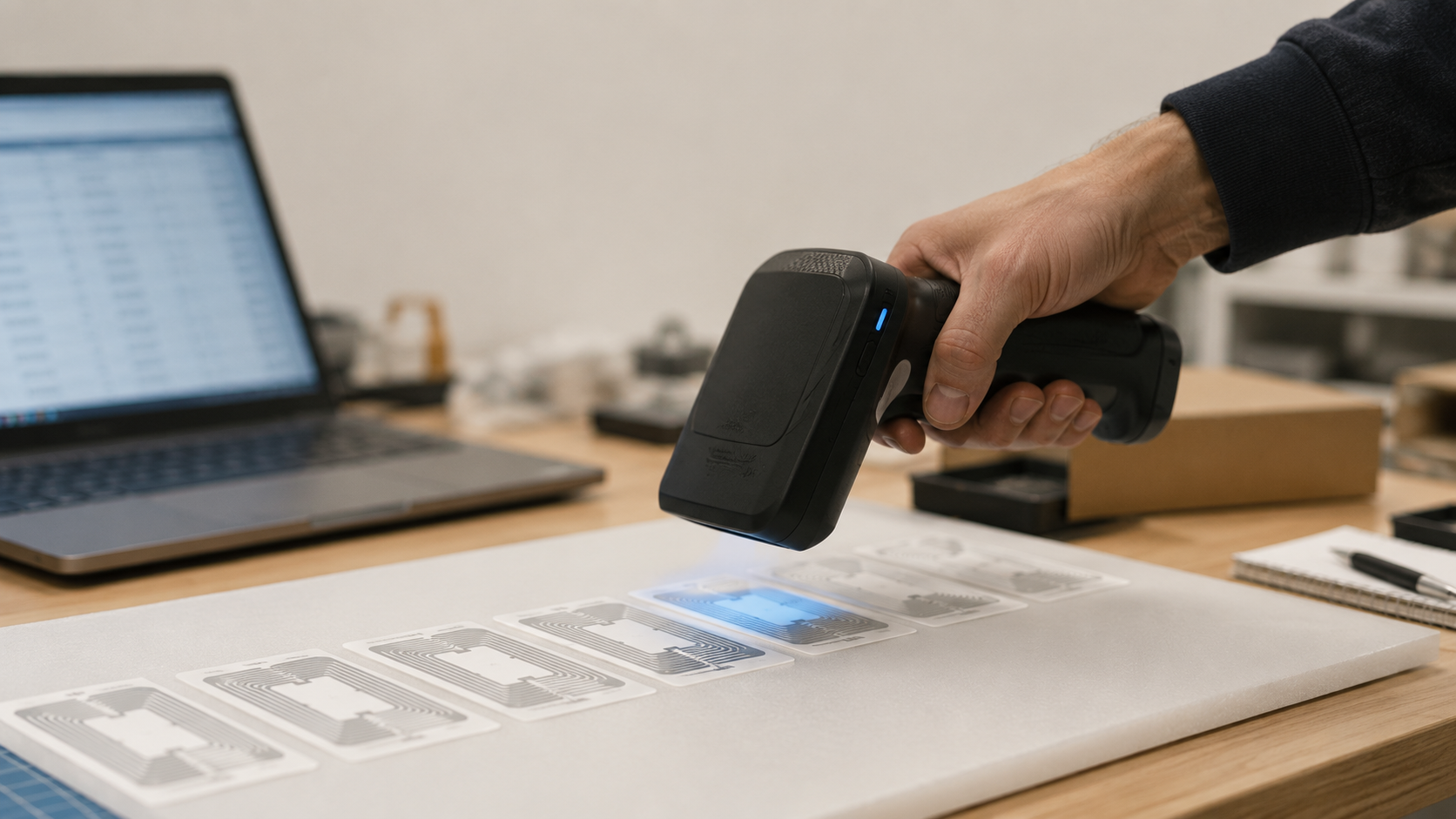
RFID labels are useful when product identification, inventory support or authentication needs to work alongside printed presentation. For apparel brands, retail operations and product movement, RFID can help connect a physical item with internal systems without relying only on visual scanning.
The label should be planned around the surface, reading requirement and available print area. It should not be treated like a normal sticker at the last moment. Placement, size and product material can affect performance, so these decisions should be checked before production.
- Useful for garment inventory, product tracking and authentication.
- Can combine brand print with identification needs.
- Needs surface and placement planning before production.
- Works best when product use case is shared clearly before printing.
Woven labels create a more permanent garment identity
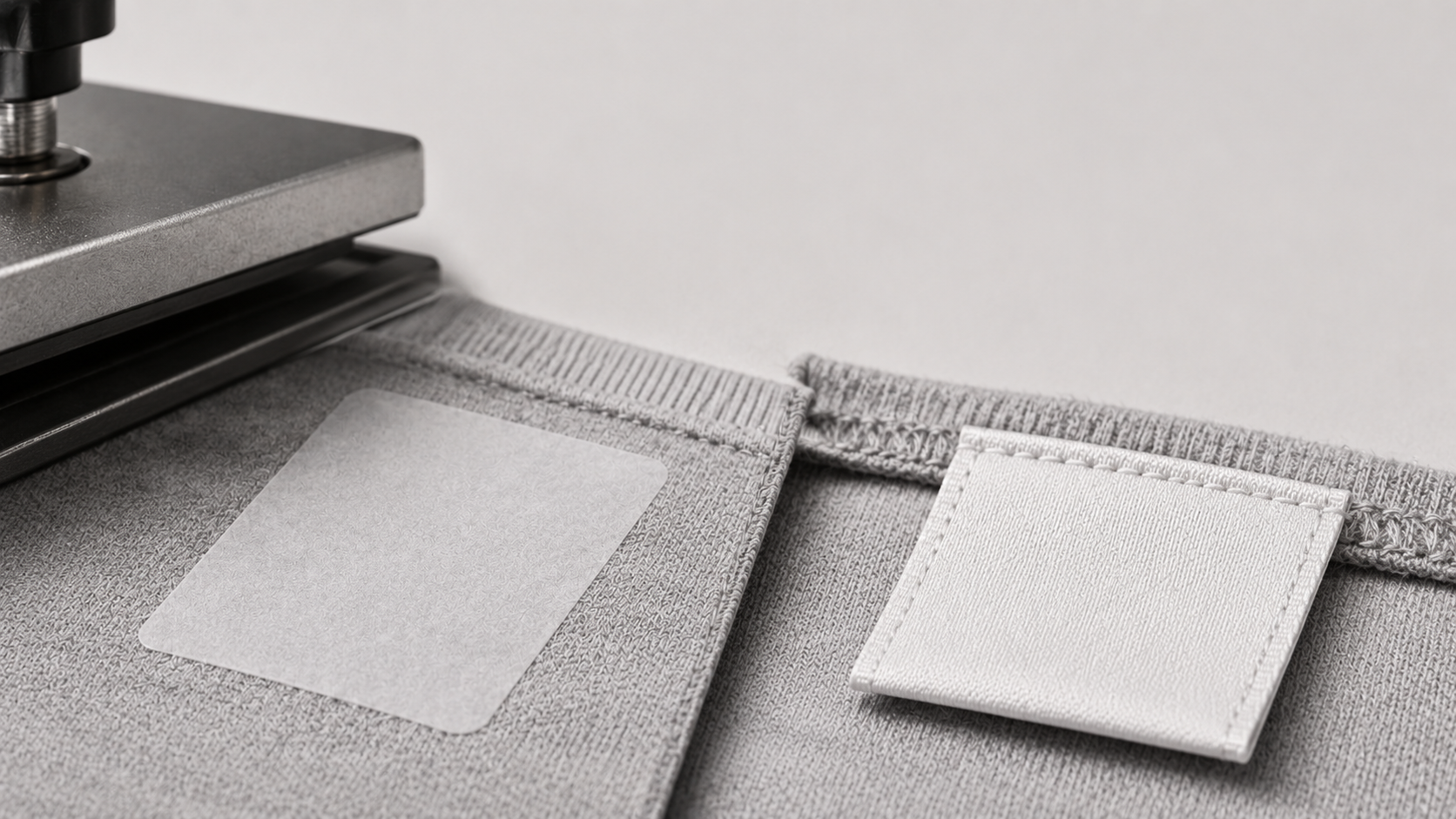
Woven labels feel different from printed labels because the brand mark is built into the label construction. They are durable, garment-ready and often used when the label should feel like a permanent part of the product. This makes them useful for fashion, uniforms, home textiles and premium apparel.
Woven labels should be kept clear and readable. Very fine gradients, tiny letters or complex artwork may not translate as well as bold logos, clean typography and simple colour areas. For care instructions or dense information, satin or tafta printed labels may be more practical.
- Use woven labels for durable brand identity on garments.
- Use satin or tafta labels for care instructions and size information.
- Keep woven artwork simple and readable.
- Choose fold style based on how the label will be stitched.
Product labels need the right adhesive and surface match
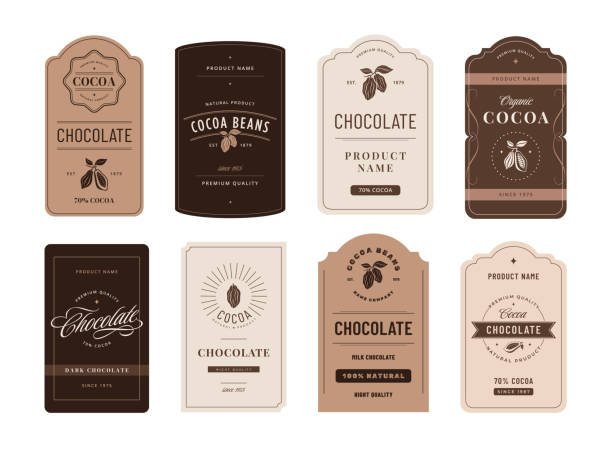
A product label is only successful if it stays clean, readable and attached to the surface. A paper label may work well on dry boxes and cartons, while bottles, jars or cosmetic products may need waterproof, transparent or surface-specific material. The label should match the product environment, not only the design.
Shape also matters. A die-cut label can make a product look more custom, while a simple rectangle may be more efficient and easier to apply. If the label carries barcode, QR code, ingredients or compliance information, readability should be tested at actual size.
- Paper labels work well for dry boxes, jars and general packaging.
- Transparent labels can create a clean premium look on bottles and jars.
- Waterproof labels are better for moisture exposure.
- Barcode and QR code areas should be tested before production.
Custom stickers are flexible but still need planning
Stickers are often used for box seals, promotional labels, packaging decoration and quick brand touchpoints. Because they are simple to use, they are sometimes planned casually, but size, adhesive, cut shape and finish still affect how premium they look.
A sticker can be gloss, matte, transparent, die-cut, round, square or supplied in sheet or roll format. The right format depends on how it will be applied. For manual use, sheets can be convenient. For repeated packaging runs, roll labels may be easier to handle.
- Use die-cut stickers when the shape should feel custom.
- Use transparent stickers when the packaging surface should remain visible.
- Use roll format for repeated application and faster handling.
- Use matte or gloss based on the rest of the packaging finish.
How to build a complete label and tag system
The strongest brands often use more than one small-format print piece. A garment may need a woven brand label, a satin care label, a hang tag and a barcode sticker. A retail product may need a main product label, a seal sticker and a promotional sticker. Planning these together helps the colours, logo and material feel consistent.
When the label system is planned as a set, the final product feels more complete. The customer sees consistency across the product, packaging and information touchpoints, which makes even small print pieces feel intentional.
Common questions
What is the difference between woven labels and printed cloth labels?
Woven labels have the design woven into the fabric, while printed cloth labels carry printed artwork on satin, tafta or similar materials.
Can RFID labels include branding?
Yes. RFID labels can be planned with brand and product information, but the size and application need to be checked before production.
Which is better for product packaging: labels or stickers?
Use product labels for formal product information and material-specific adhesion. Use stickers for seals, campaigns, branding add-ons and decorative use.