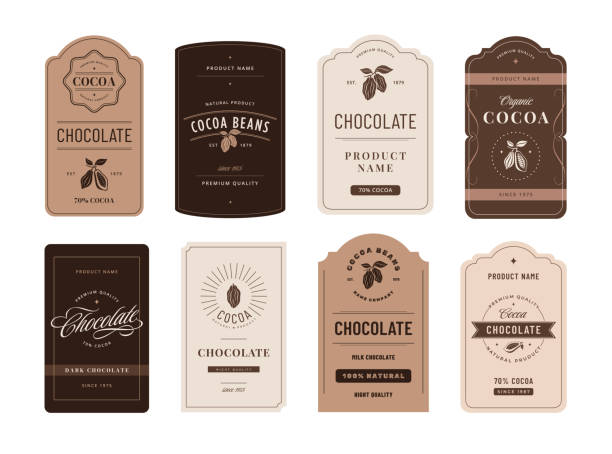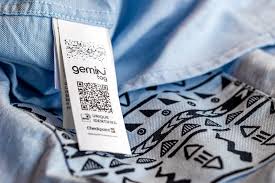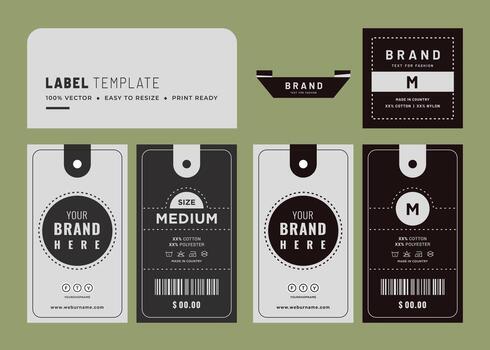
Product labels carry the details a customer needs to understand and trust a product. On jars, bottles, boxes and pouches, the label must look good, stay attached and remain readable through handling. Choosing the right label is a material decision, not just an artwork decision.
Start with the surface before choosing the label
A label that works on a dry carton may not work on a curved bottle or a chilled jar. The surface material, texture, curve, moisture exposure and handling conditions all affect the label choice. If the label lifts, wrinkles or fades, the product can look poorly finished even when the design is good.
Before artwork is finalised, identify where the label will be applied and what the product will face after packing. A label for a dry box, cosmetic jar, food bottle or pouch may need a different stock, adhesive and finish.
- Use paper labels for dry boxes and general packaging.
- Use waterproof labels for moisture-prone products.
- Use transparent labels when the product surface should remain visible.
- Check curved bottles and jars before finalising label size.
Choose label material based on product category
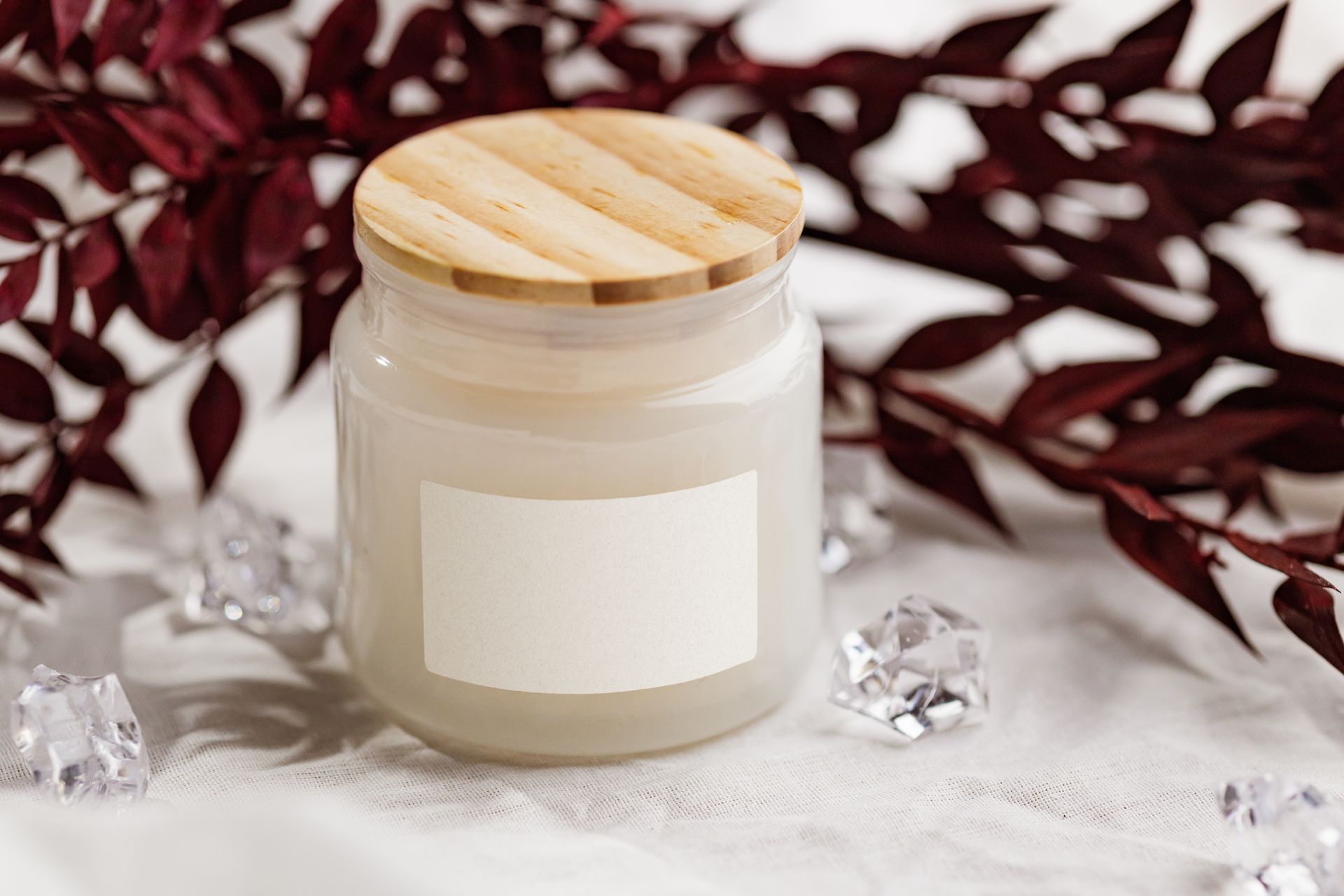
Paper labels are practical for cartons, dry jars, boxes and general retail products. Transparent labels can create a clean look on bottles, glass jars and cosmetics. Waterproof or synthetic labels are better when the product may face moisture, oil, refrigeration or frequent handling.
The material should support the brand look and the product environment. A natural kraft label may suit handmade products. A clear label may suit premium cosmetics. A coated label may suit clean colour and sharp artwork. The label should feel like part of the product, not an afterthought.
- Use kraft or textured labels for natural and handcrafted products.
- Use coated labels when colour clarity is important.
- Use transparent labels for glass, bottles and premium surfaces.
- Use synthetic or waterproof stock for moisture and handling resistance.
Match adhesive with the application surface
Adhesive is easy to overlook, but it decides whether the label stays in place. A bottle with a curved surface, a textured carton, a plastic jar and a paper box can each need different adhesive performance. The wrong adhesive can cause edges to lift or bubbles to appear.
Application method also matters. Labels applied by hand may need a format that is easy to align. Labels applied in larger runs may need roll format and consistent backing. If the label will be exposed to moisture, oil or cold storage, that detail should be shared before printing.
- Mention whether the surface is glass, plastic, paper, metal or textured board.
- Share whether labels will be applied by hand or machine.
- Use stronger adhesive when products face moisture or handling.
- Test the label on the actual product surface when possible.
Plan barcode, QR code and small text before design approval
Product labels often need more than a logo. They may need barcode, QR code, batch number, MRP, manufacturing details, ingredients, care information, size, weight, variant and contact details. If these are added after the design is complete, the label can become crowded.
Scannable codes need enough contrast and clear space around them. Small text should be checked at actual print size. A label that looks readable on screen may become difficult to read after printing, especially on small jars and bottles.
- Reserve space for barcode, QR code and batch information early.
- Keep small text readable at actual label size.
- Avoid placing codes on folds, curves or glare-heavy areas.
- Test barcodes and QR codes before full production.
Choose finish based on both look and durability
Matte labels feel controlled and premium. Gloss labels make colours appear brighter. Transparent labels can look clean and modern. Waterproof finishes protect information when products are handled often or exposed to moisture. The finish should match the product category and use environment.
A food jar, cosmetic bottle, retail box and gift pouch may each need a different finish. The right label should support the brand look while protecting the printed information long enough for the customer to use the product confidently.
- Use matte finish for a soft premium look.
- Use gloss finish when colour brightness matters.
- Use transparent labels for clean bottle and jar presentation.
- Use waterproof finish when labels may face moisture or frequent handling.
Share a complete label brief for accurate pricing
Product label pricing depends on size, material, adhesive, finish, quantity, shape, roll or sheet format and artwork readiness. A clear brief helps the printer suggest the right material instead of quoting a generic sticker.
Share the product surface, label size, quantity, application method, artwork file, barcode or QR data, finish preference and timeline. If you are unsure about label stock, share the product sample or photos so the printer can guide the choice.
- Share label dimensions, quantity and product surface.
- Mention paper, transparent, waterproof or special material preference.
- Provide barcode, QR code and variable data clearly.
- Ask for material options if the product surface is unusual.
Common questions
Which label is best for bottles?
Transparent or waterproof labels often work well for bottles, depending on the surface, moisture exposure and desired brand look.
Can product labels include QR codes and barcodes?
Yes. QR codes and barcodes can be printed on product labels, but they need enough size, contrast and clear space to scan properly.
What details are needed for a product label quote?
Share label size, quantity, product surface, material preference, finish, artwork status, barcode or QR data and application method.